Jabuticaba
Plinia cauliflora
Description
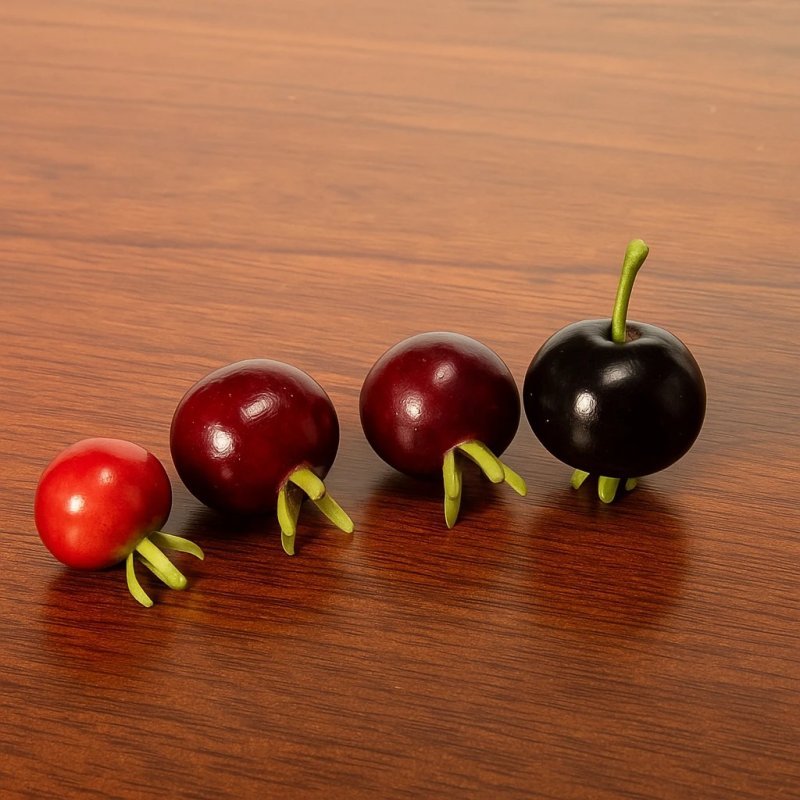
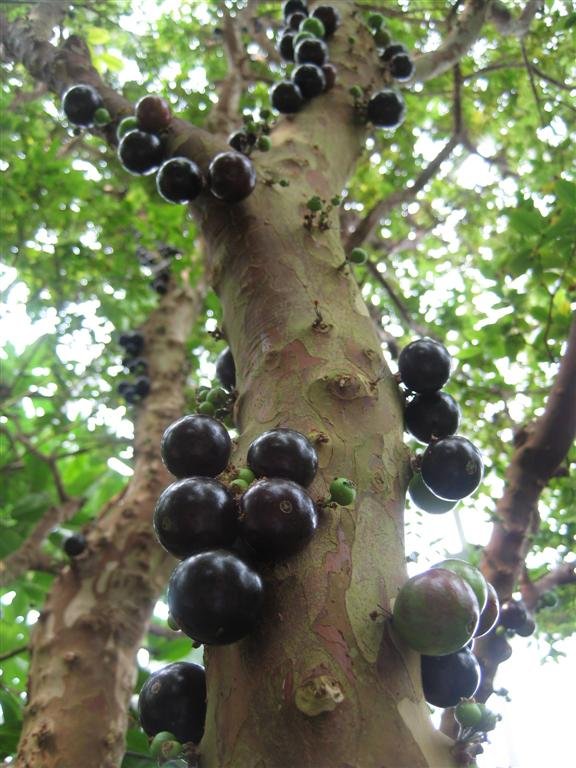
Native fruit of the Atlantic Forest that grows directly on the tree trunk. White, gelatinous pulp with dark purple skin.
Benefits
Rich in anthocyanins (antioxidants), Vitamin C (22 mg/100g), and iron. Aids in the prevention of premature aging.
History and Origins
Native to the Atlantic Forest, the Jabuticaba was consumed by indigenous Tupi-Guarani peoples long before colonization. In the 18th century, it became a symbol of the Brazilian state of Minas Gerais. Curiously, the first saplings for commercial cultivation were only developed in the 1960s.
Fun Facts
The Jabuticaba tree takes 10-15 years to bear fruit! A mature tree produces up to 1 ton per harvest. Tea made from its peel is a traditional remedy for diarrhea - but be careful, it stains teeth!
What are the varieties of Jabuticaba?
Varieties: Sabara (the sweetest), Paulista (large, thin skin), White (rare, greenish color), and Ponhema (ideal for jams).
Nutritional Values per 100g of Jabuticaba
| Calories | 58 kcal |
|---|---|
| Carbohydrates | 15.3 g |
| Protein | 0.6 g |
| Fat | 0.2 g |
| Fiber | 2.3 g |
| Vitamin C | 22.1 mg |
Harvest Months
Harvest months listed here correspond to the Southern Hemisphere.
Medical Disclaimer: The health benefits of this fruit are provided for educational purposes only and do not substitute for professional medical diagnosis or advice. Read more about our sources.