Grumichama
Eugenia brasiliensis
Description
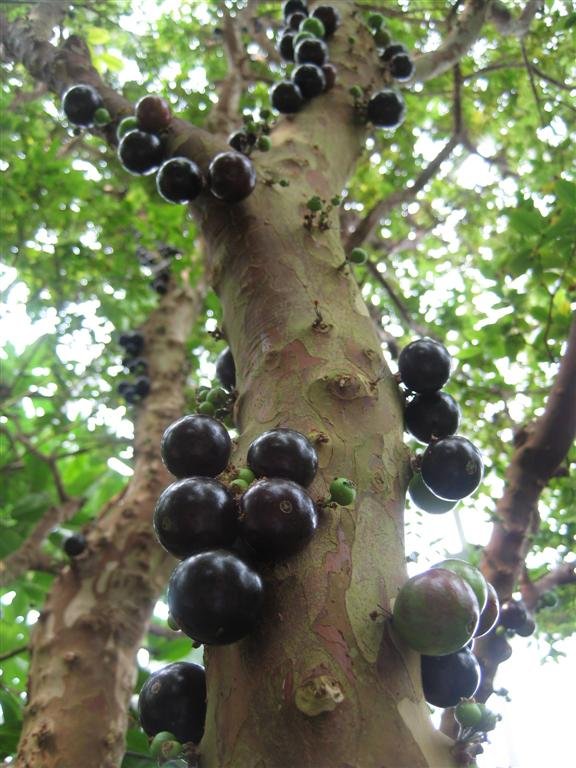
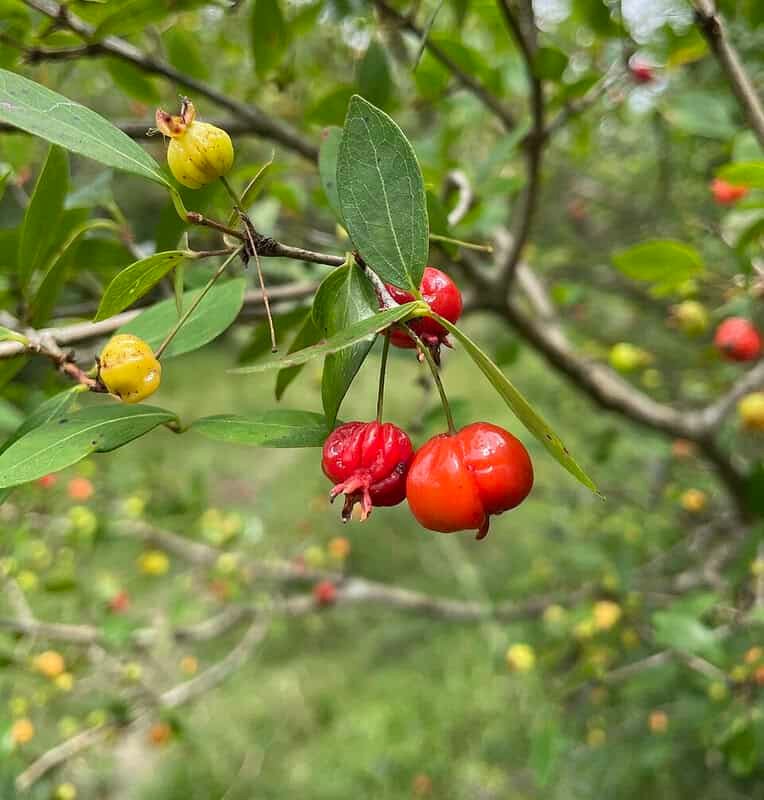
Wild fruit with intense purple color, related to the Jabuticaba. Also known as "Brazilian Cherry". Consumed fresh or in jams.
Benefits
High content of anthocyanins (150 mg/100g) and Vitamin C. Fights free radicals and premature aging.
History and Origins
Grumichama is native to the Brazilian Atlantic Forest and was appreciated by indigenous peoples long before colonization. Its name comes from Tupi and means "thin skin". In the 20th century, it began to be cultivated in home orchards, but remains little known outside Brazil.
Fun Facts
Grumichama is called "Brazilian Cherry" due to its color and taste! A mature tree can produce up to 30 kg of fruit per harvest. Also, its wood is used in fine carpentry.
What are the varieties of Grumichama?
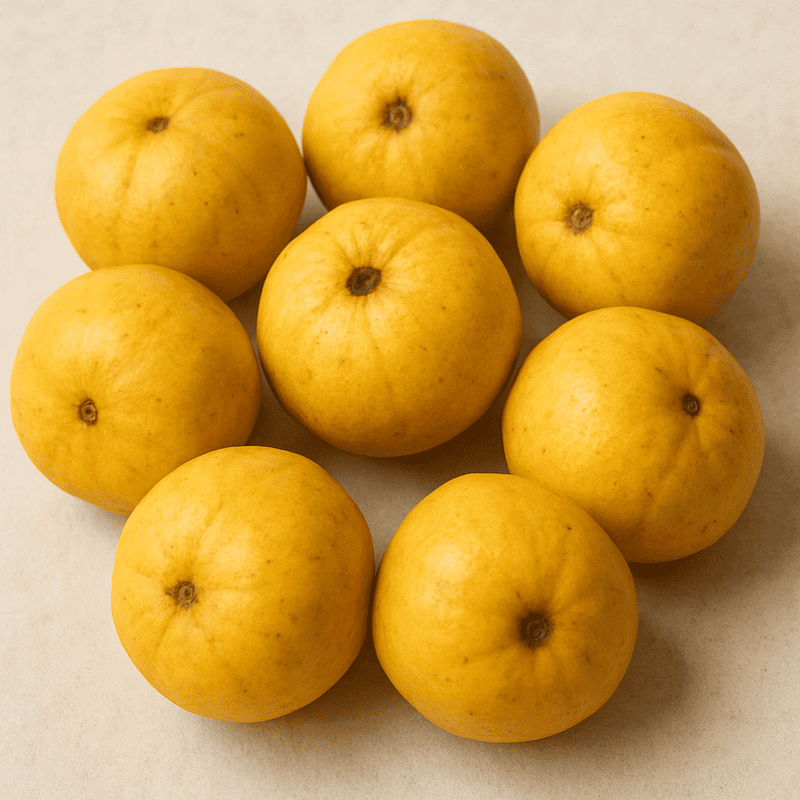
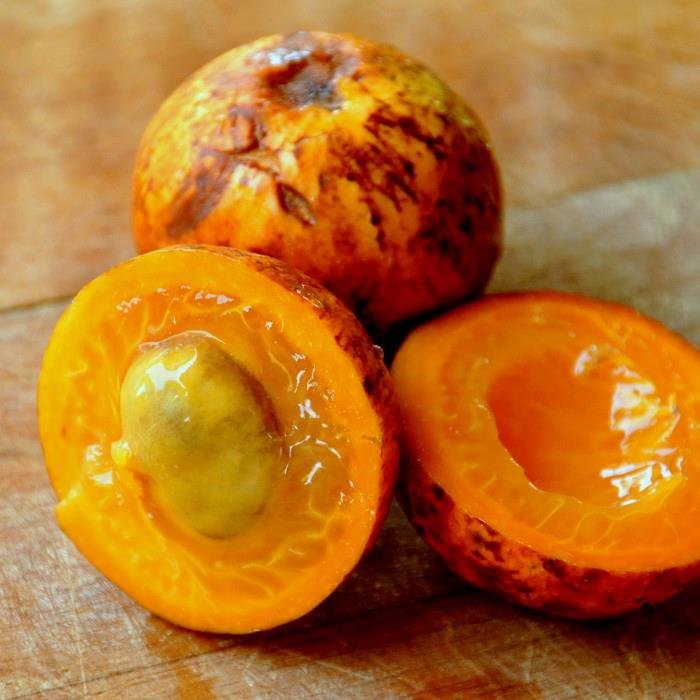
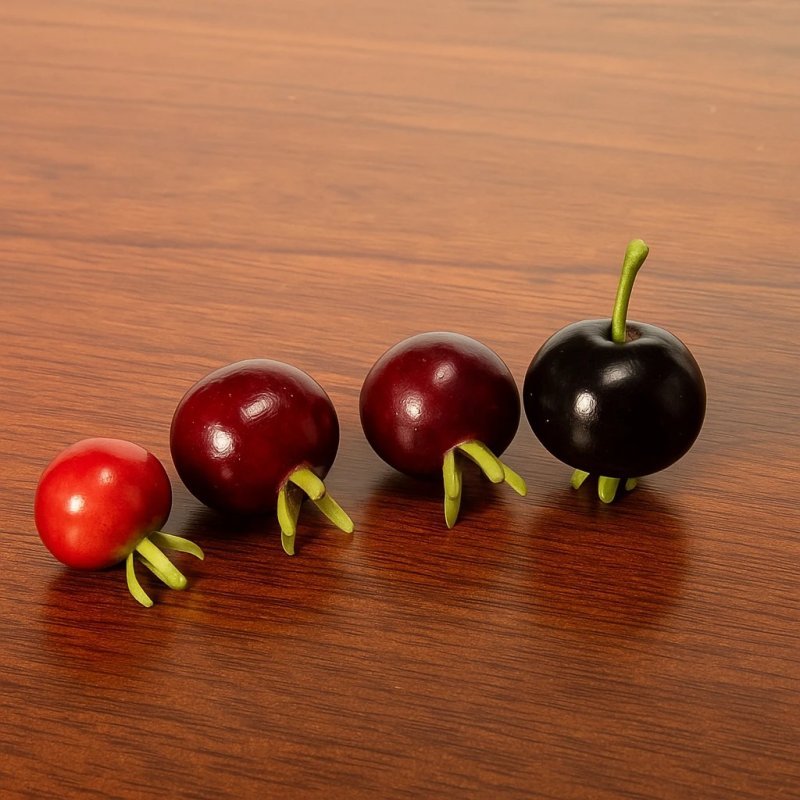
Varieties: Black Grumichama (most common), Red Grumichama (rare), and Yellow Grumichama (exotic).
Nutritional Values per 100g of Grumichama
| Calories | 57 kcal |
|---|---|
| Carbohydrates | 14.2 g |
| Protein | 0.6 g |
| Fat | 0.3 g |
| Fiber | 3.1 g |
| Vitamin C | 35 mg |
Harvest Months
Harvest months listed here correspond to the Southern Hemisphere.
Medical Disclaimer: The health benefits of this fruit are provided for educational purposes only and do not substitute for professional medical diagnosis or advice. Read more about our sources.