Strawberry
Fragaria × ananassa
Description
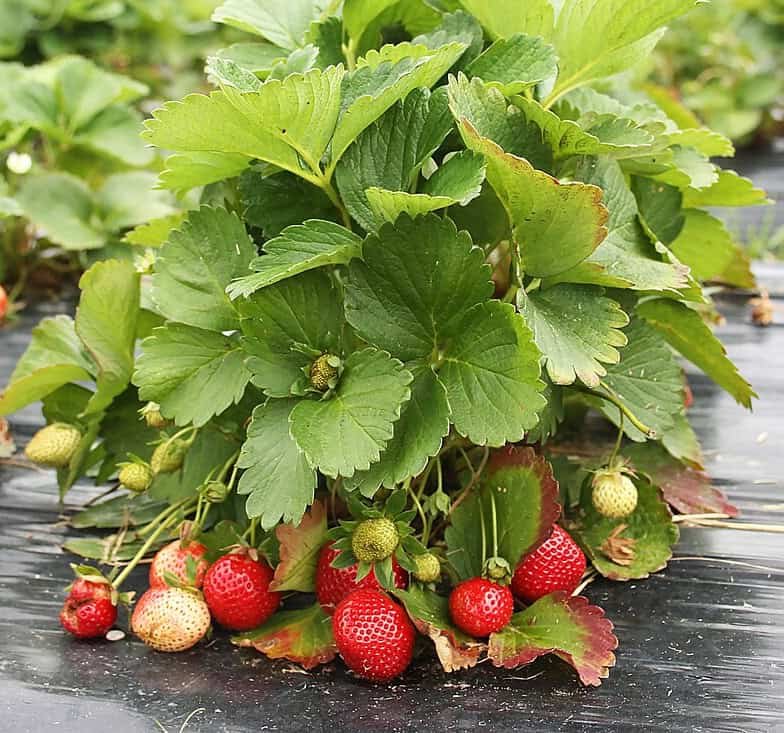
Red fruit with sweet and slightly acidic flavor. Technically a "pseudocarp", as the true fruits are the tiny seeds on its surface. Widely used in desserts and jams.
Benefits
Rich in anthocyanins and ellagic acid (potent antioxidants). Contains Vitamin C (58.8 mg/100g) and manganese. Supports heart health and blood sugar control.
History and Origins
The Strawberry has origins in Europe and North America, but the modern strawberry is a result of crossing French and Chilean species in the 18th century. In Brazil, large-scale cultivation began in the 20th century in cooler regions.
Fun Facts
The strawberry is not botanically a berry, but an "aggregate accessory fruit"! Each seed on the surface is a separate fruit. Also, white strawberries exist and are a rare luxury item!
What are the varieties of Strawberry?
Popular varieties: Albion (sweet and resistant), Camarosa (large), Oso Grande (high yield), San Andreas (intense flavor), and Wild Strawberry.
Nutritional Values per 100g of Strawberry
| Calories | 32 kcal |
|---|---|
| Carbohydrates | 7.7 g |
| Protein | 0.7 g |
| Fat | 0.3 g |
| Fiber | 2 g |
| Vitamin C | 58.8 mg |
Harvest Months
Harvest months listed here correspond to the Southern Hemisphere.
Medical Disclaimer: The health benefits of this fruit are provided for educational purposes only and do not substitute for professional medical diagnosis or advice. Read more about our sources.