Apricot
Prunus armeniaca
Description
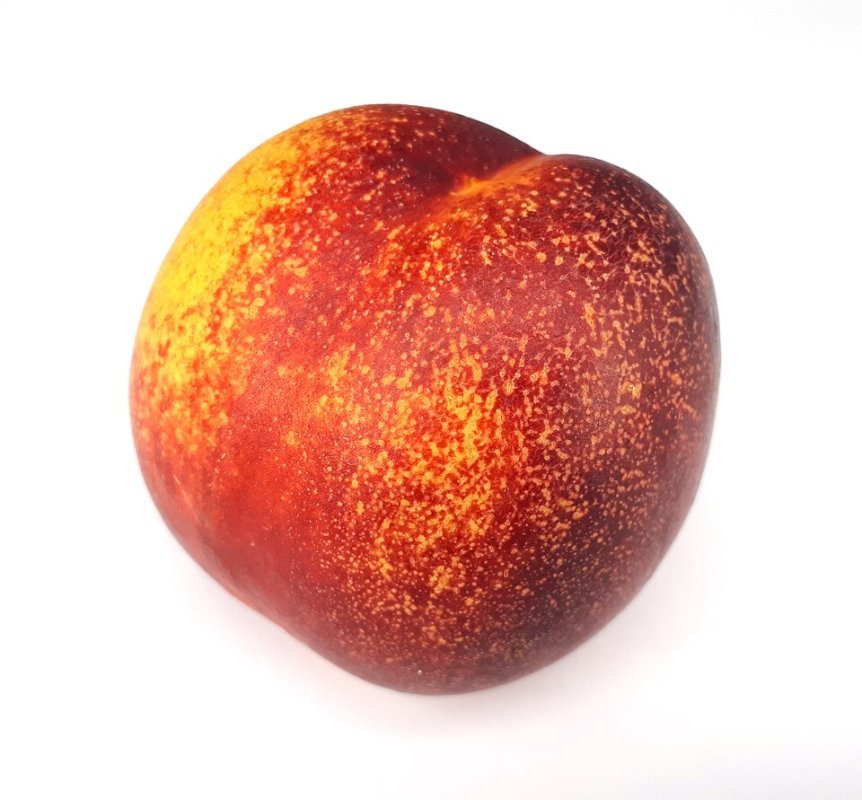
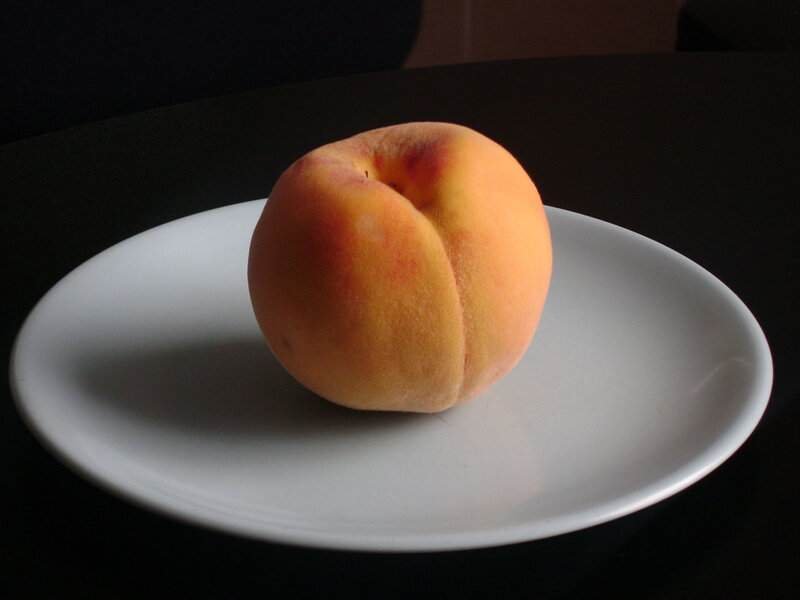
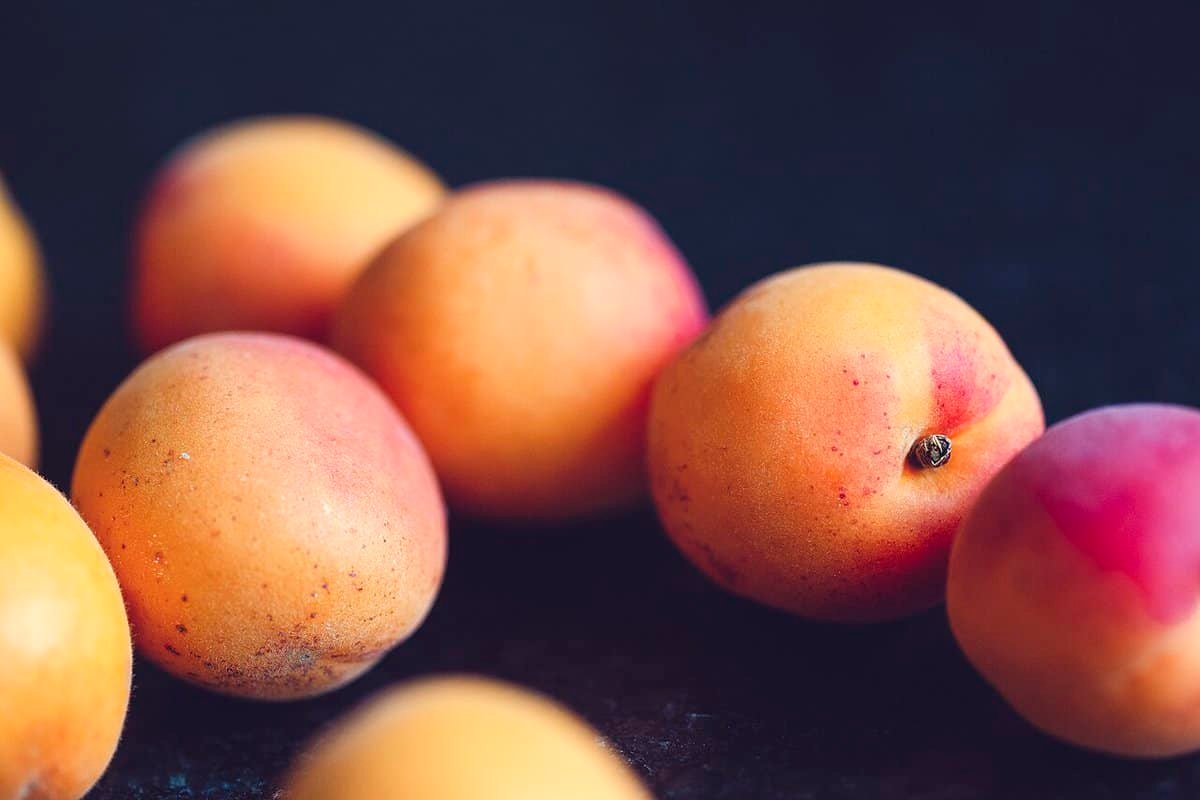
Small orange fruit with velvety skin and sweet-tart flesh. The tree is small, reaching 6 meters. Consumed fresh, but more commonly dried in Brazil.
Benefits
Rich in Vitamin A (96 mcg/100g) and beta-carotene. Excellent for eye and skin health.
History and Origins
Apricot originated in China/Central Asia, cultivated for 4,000 years. It spread via the Silk Road. In Brazil, due to climate, fresh apricots are rare and mostly imported; the dried version is the most consumed.
Fun Facts
Dried apricots are a mandatory item on Brazilian Christmas tables! The seed kernel is used to make Amaretto liqueur flavoring (though it contains cyanide if eaten raw).
What are the varieties of Apricot?
Varieties: Tilton (common), Luizet (aromatic), Katy (firm), and Bergeron (sweet).
Nutritional Values per 100g of Apricot
| Calories | 48 kcal |
|---|---|
| Carbohydrates | 11 g |
| Protein | 1.4 g |
| Fat | 0.1 g |
| Fiber | 2 g |
| Vitamin C | 10 mg |
Harvest Months
Harvest months listed here correspond to the Southern Hemisphere.
Medical Disclaimer: The health benefits of this fruit are provided for educational purposes only and do not substitute for professional medical diagnosis or advice. Read more about our sources.