Blackberry
Rubus fruticosus
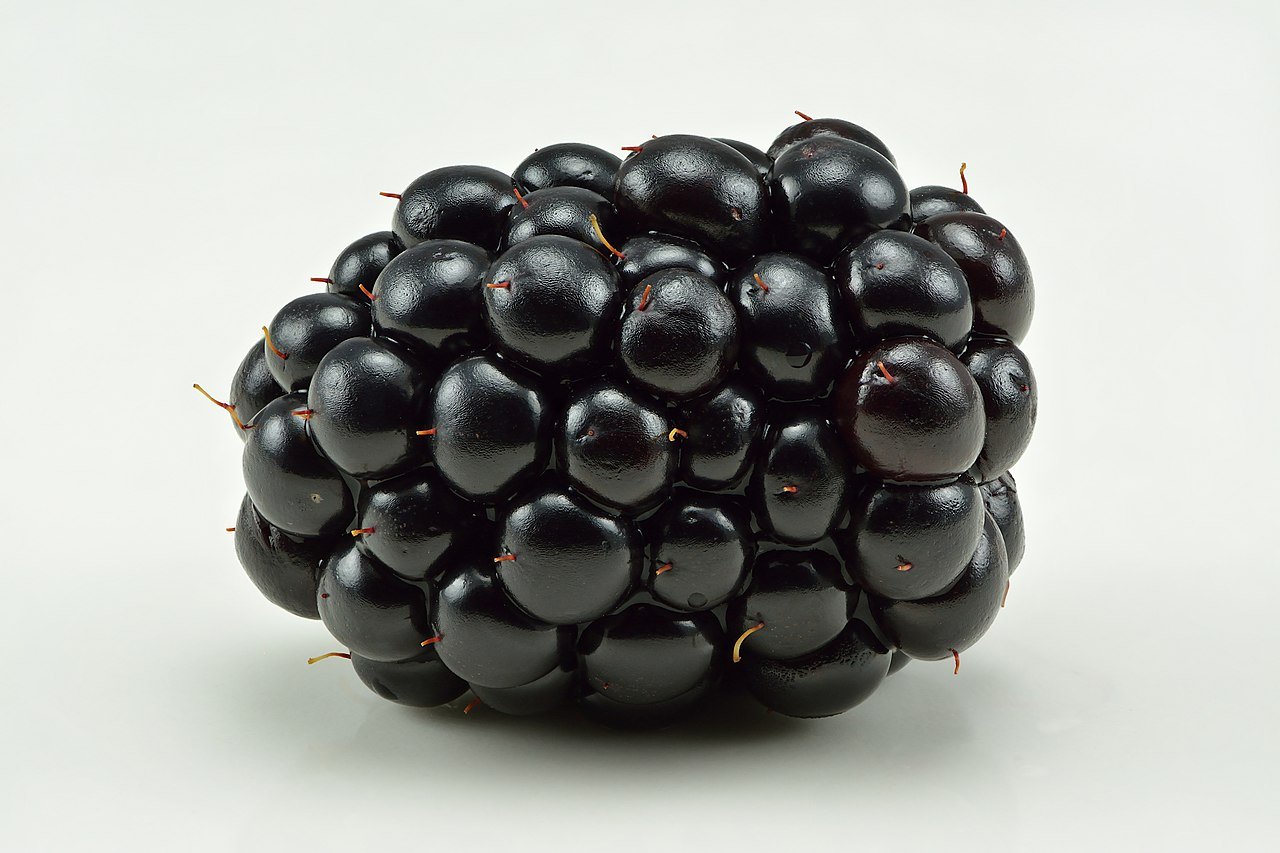
Description
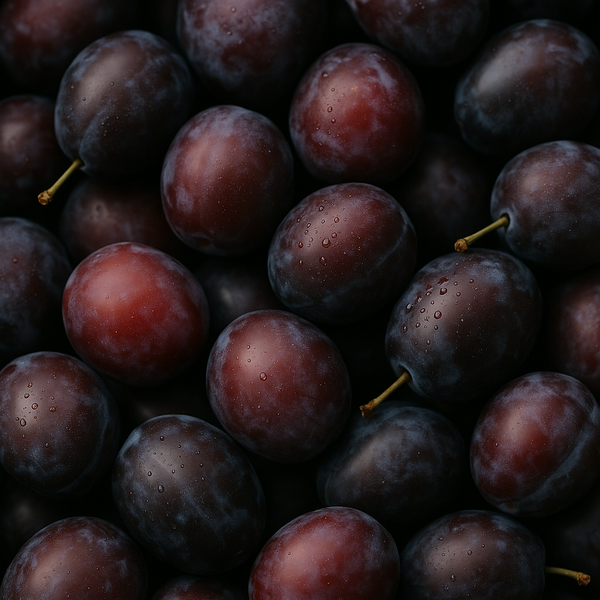
Fruit composed of small drupelets, dark purple when ripe. Includes blackberry and mulberry species. Can grow on bushes or trees.
Benefits
Rich in anthocyanins, Vitamin K (19.8 mcg/100g), and manganese. Antioxidant and anti-inflammatory. Aids in blood clotting and bone health.
History and Origins
The Blackberry (and Mulberry) has origins in Asia, especially China, where it was grown for silkworms. It spread to Europe and then Brazil with immigrants, becoming a popular garden fruit.
Fun Facts
Did you know Mulberry leaves are the sole food of silkworms? In Brazil, picking blackberries straight from the tree is a cherished childhood tradition.
What are the varieties of Blackberry?
Varieties: Black Mulberry (common in Brazil), Red Mulberry (acidic), White Mulberry (sweet), and hybrids like Tupy and Brazos.
Nutritional Values per 100g of Blackberry
| Calories | 43 kcal |
|---|---|
| Carbohydrates | 9.6 g |
| Protein | 1.4 g |
| Fat | 0.5 g |
| Fiber | 5.3 g |
| Vitamin C | 21 mg |
Harvest Months
Harvest months listed here correspond to the Southern Hemisphere.
Medical Disclaimer: The health benefits of this fruit are provided for educational purposes only and do not substitute for professional medical diagnosis or advice. Read more about our sources.