Pawpaw
Asimina triloba
Description
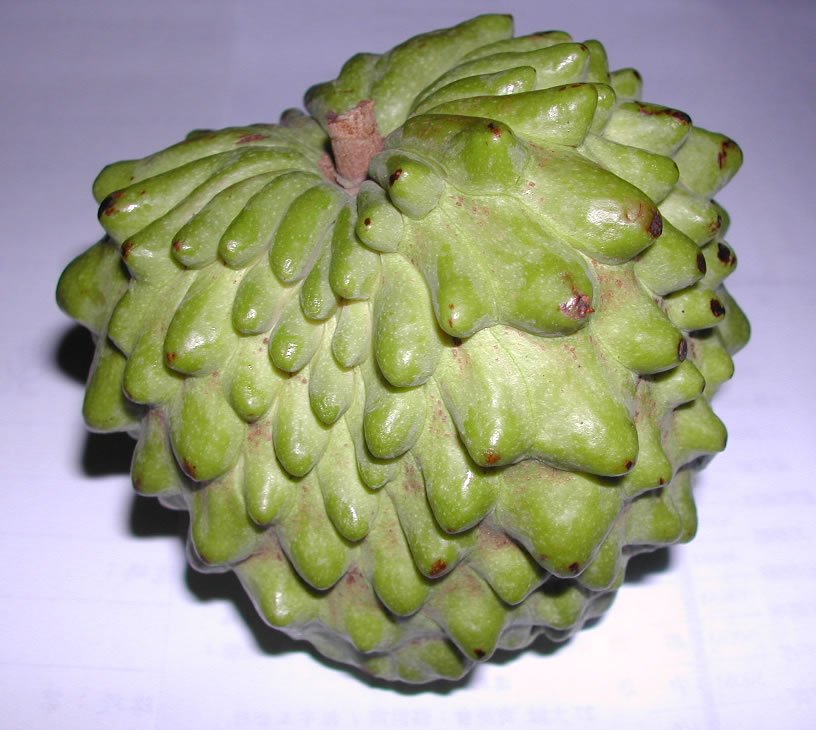
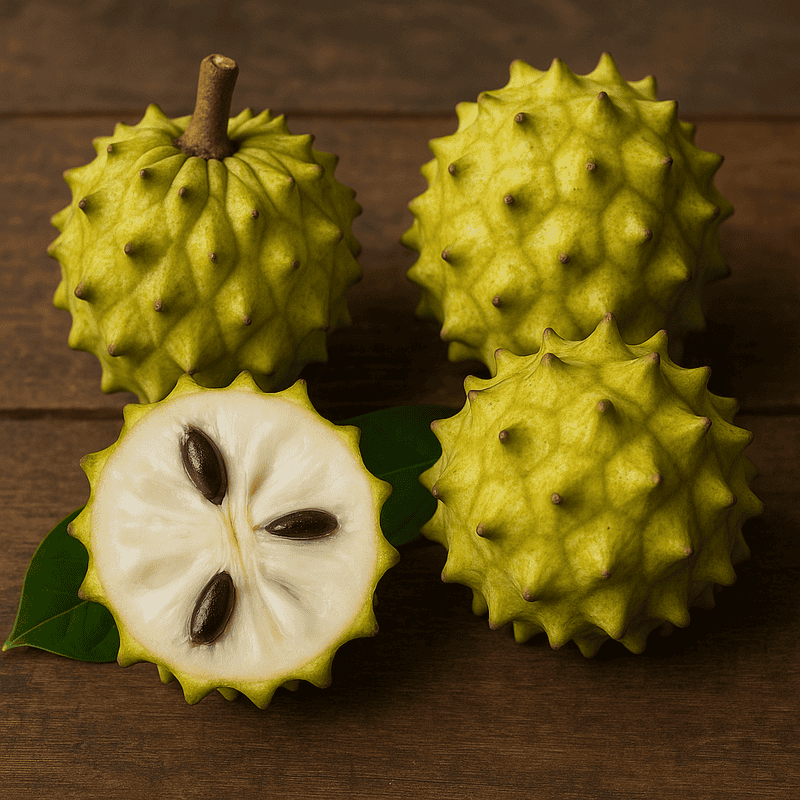
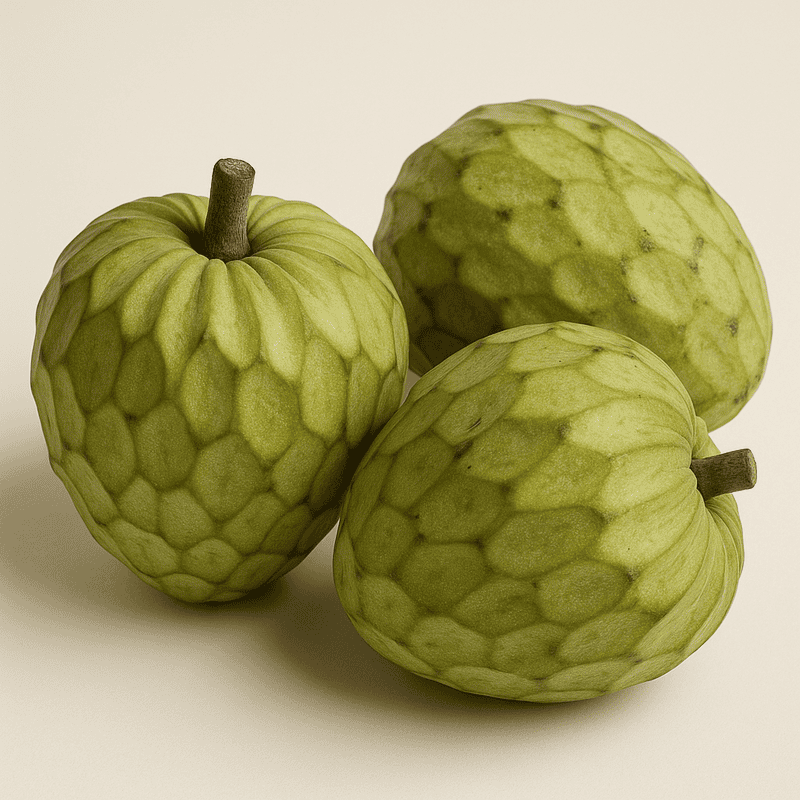
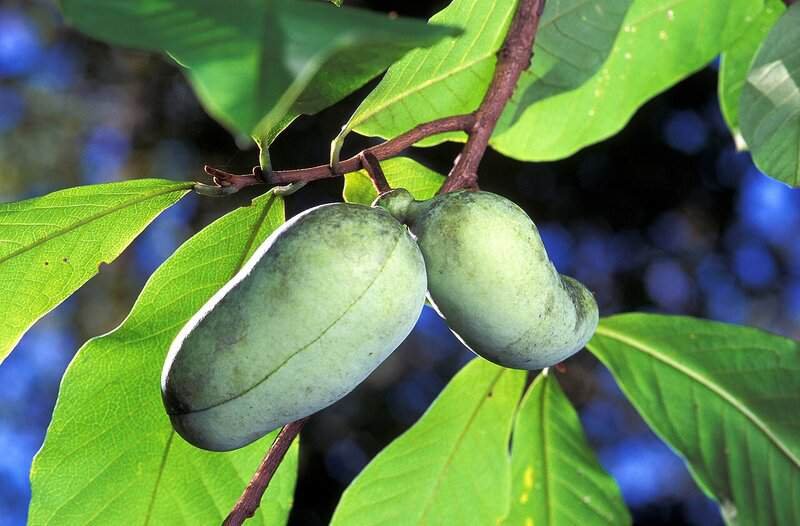
Largest edible fruit native to North America. Green skin and creamy pulp tasting like a banana-mango custard.
Benefits
Rich in Vitamin C, magnesium, and iron. High nutritional value compared to apples or peaches.
History and Origins
Native to the Eastern US. It was eaten by Native Americans and early settlers but fell out of favor due to poor shelf life. It is now having a renaissance among fruit enthusiasts.
Fun Facts
Thomas Jefferson planted Pawpaws at Monticello! It is the only temperate member of the tropical custard apple family (Annonaceae).
What are the varieties of Pawpaw?
Varieties: Sunflower, Shenandoah, and Susquehanna.
Nutritional Values per 100g of Pawpaw
| Calories | 80 kcal |
|---|---|
| Carbohydrates | 18.8 g |
| Protein | 1.2 g |
| Fat | 1 g |
| Fiber | 2.6 g |
| Vitamin C | 20 mg |
Harvest Months
Harvest months listed here correspond to the Southern Hemisphere.
Medical Disclaimer: The health benefits of this fruit are provided for educational purposes only and do not substitute for professional medical diagnosis or advice. Read more about our sources.