Coconut
Cocos nucifera
Description
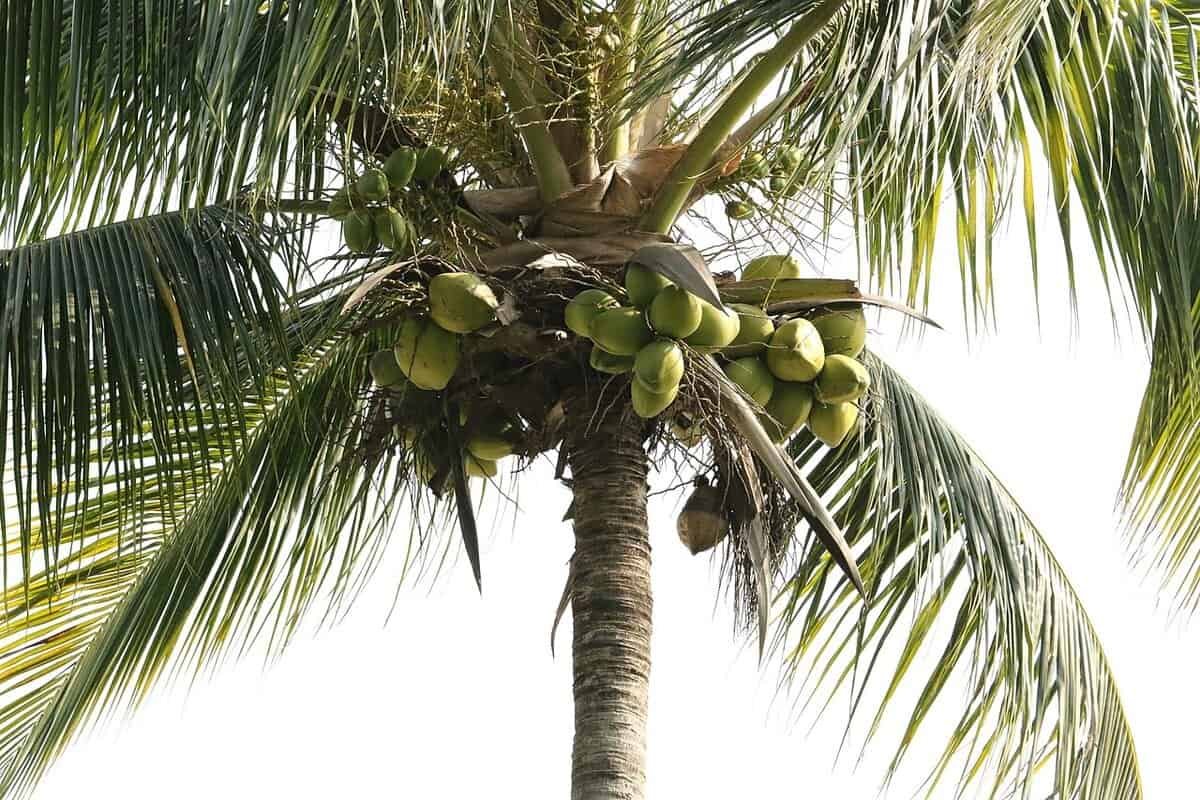
Tropical fruit with a fibrous husk. The water and meat (pulp) are widely consumed fresh or processed.
Benefits
Rich in electrolytes (potassium and magnesium). Hydrates and replenishes minerals after physical activity.
History and Origins
The Coconut originated in tropical Asia but spread to all tropical regions thousands of years ago, carried by ocean currents and seafarers. In Brazil, it became a symbol of beaches and coastal cuisine, used in everything from juice to oil.
Fun Facts
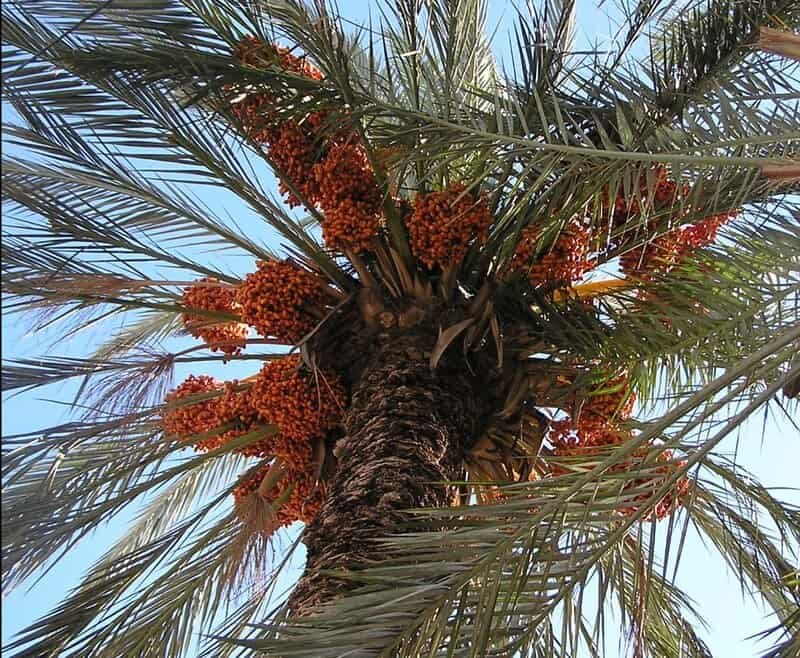
The coconut palm is called the "Tree of Life": every part has a use! Also: coconuts can float for months at sea and still germinate upon reaching land.
What are the varieties of Coconut?
Varieties: Dwarf Coconut (shorter tree, smaller fruit), Tall Coconut (high tree, large fruit), Green Coconut (sweet water), and Bahia Coconut (preferred for oil).
Nutritional Values per 100g of Coconut
| Calories | 354 kcal |
|---|---|
| Carbohydrates | 15.2 g |
| Protein | 3.3 g |
| Fat | 33.5 g |
| Fiber | 9 g |
| Vitamin C | 3.3 mg |
Harvest Months
Harvest months listed here correspond to the Southern Hemisphere.
Medical Disclaimer: The health benefits of this fruit are provided for educational purposes only and do not substitute for professional medical diagnosis or advice. Read more about our sources.