Tangerine
Citrus reticulata
Description
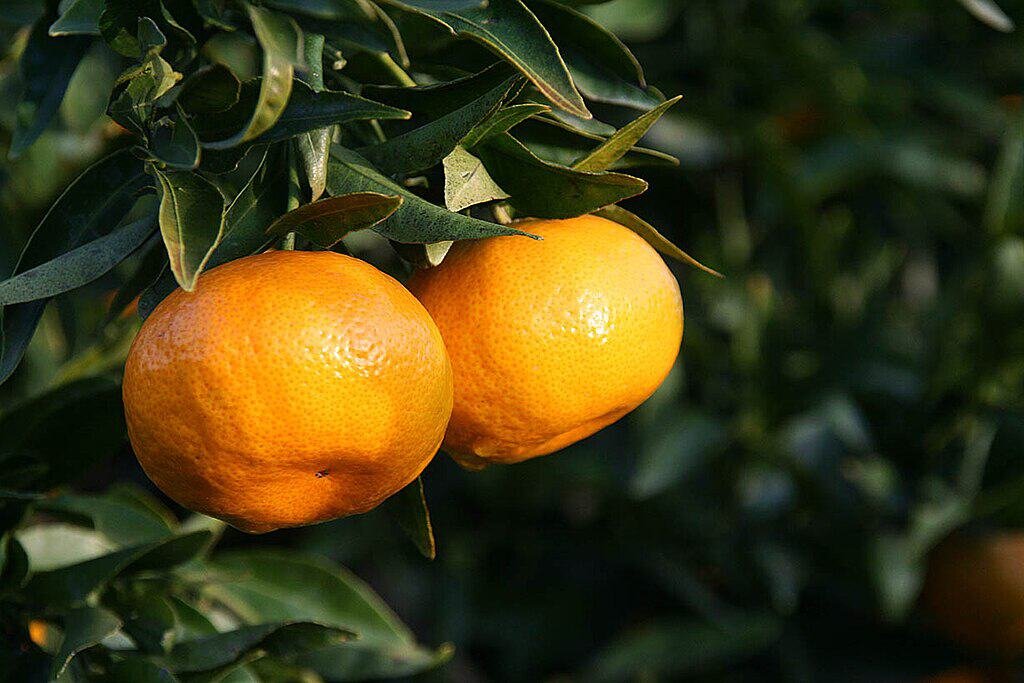
Citrus fruit similar to an orange but smaller, sweeter, and easier to peel. Includes Mandarins, Clementines, and Satsumas.
Benefits
Rich in Vitamin C and flavonoids (nobiletin). Protects against oxidative stress and supports skin health.
History and Origins
Originated in Southeast Asia and China. The name "Tangerine" comes from Tangier, Morocco, a port from which they were shipped to Europe. In Brazil, they are hugely popular as a "snack fruit" due to easy peeling.
Fun Facts
The scent of tangerine peel is potent and lingers on your hands for hours! In Chinese culture, they are symbols of good luck and abundance displayed during New Year.
What are the varieties of Tangerine?
Varieties: Ponkan (large, loose skin), Murcott (juicy, late harvest), Clementine (seedless), and Satsuma (cold hardy).
Nutritional Values per 100g of Tangerine
| Calories | 53 kcal |
|---|---|
| Carbohydrates | 13.3 g |
| Protein | 0.8 g |
| Fat | 0.3 g |
| Fiber | 1.8 g |
| Vitamin C | 26.7 mg |
Harvest Months
Harvest months listed here correspond to the Southern Hemisphere.
Medical Disclaimer: The health benefits of this fruit are provided for educational purposes only and do not substitute for professional medical diagnosis or advice. Read more about our sources.