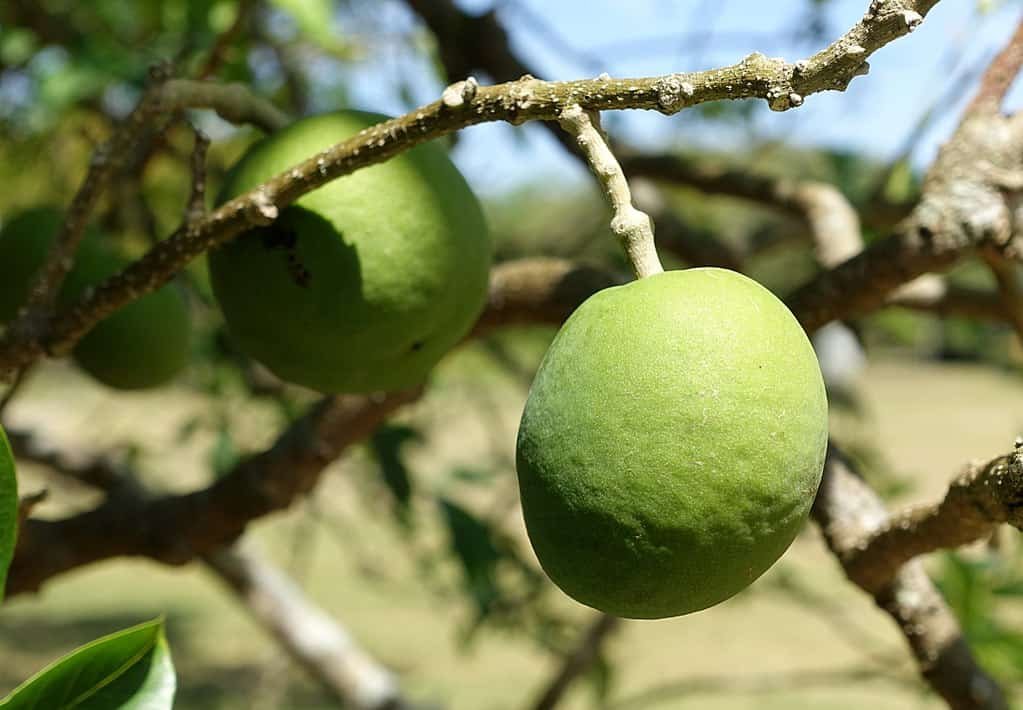
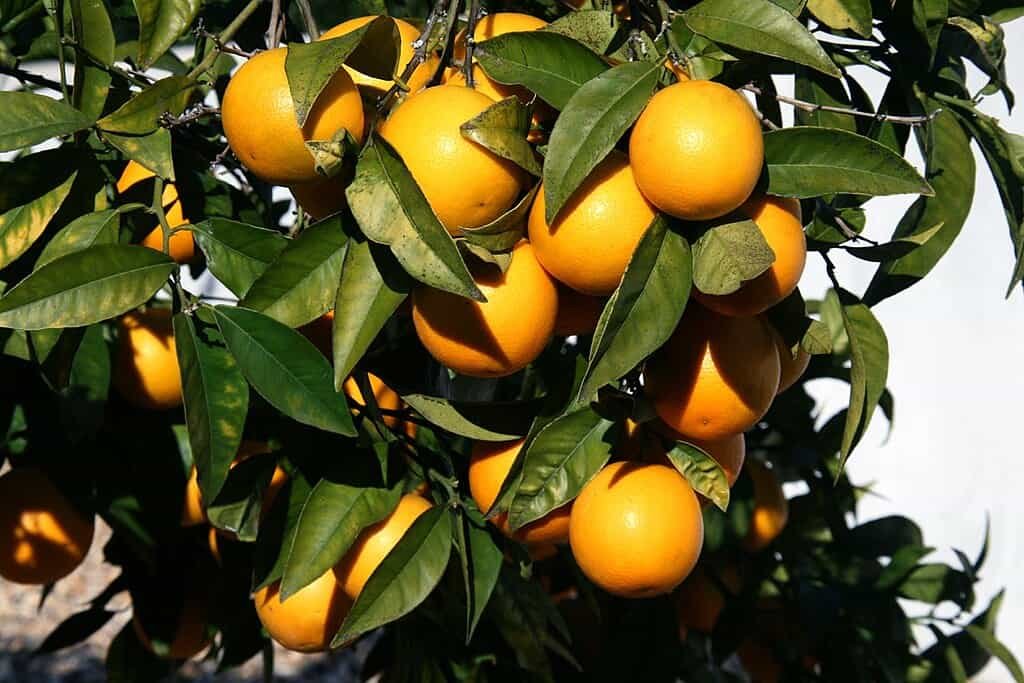
Orange
Citrus × sinensis
Description
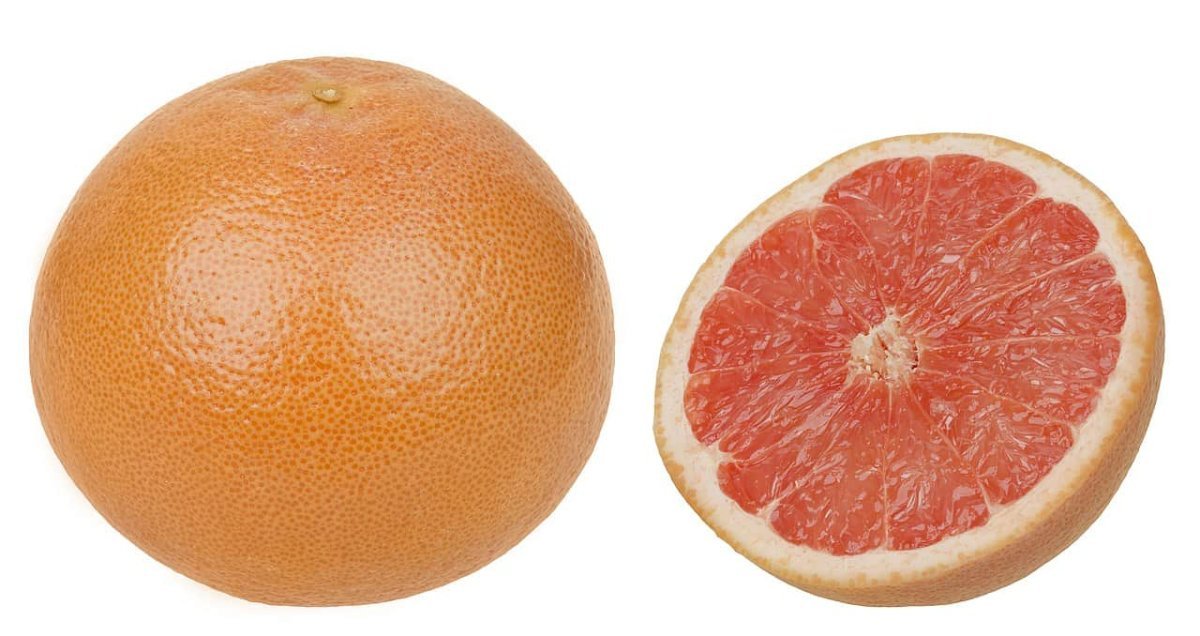
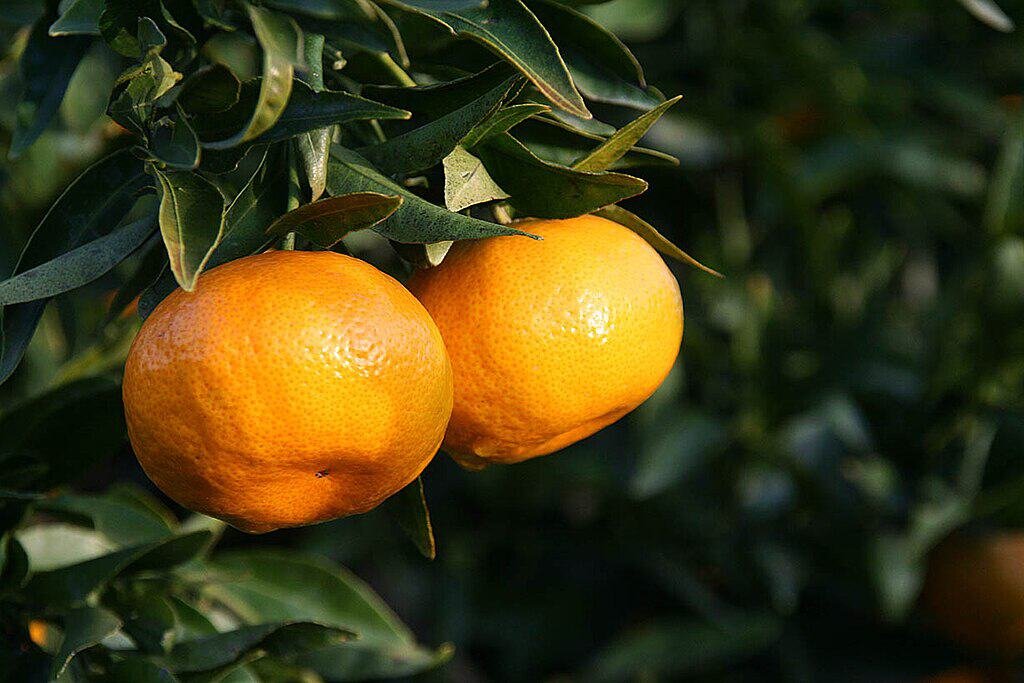
Globose citrus fruit with porous skin. Varieties: Navel, Valencia, and Lime. The world's main natural source of Vitamin C.
Benefits
High content of Vitamin C (53.2 mg/100g) and flavonoids. Strengthens the immune system and aids in iron absorption.
History and Origins
The Orange originated in Southeast Asia, likely between China and India, over 4,000 years ago. Arabs brought it to Europe in the Middle Ages, and the Portuguese introduced the first saplings to the Americas in the 16th century. Today, Brazil is the largest producer in the world.
Fun Facts
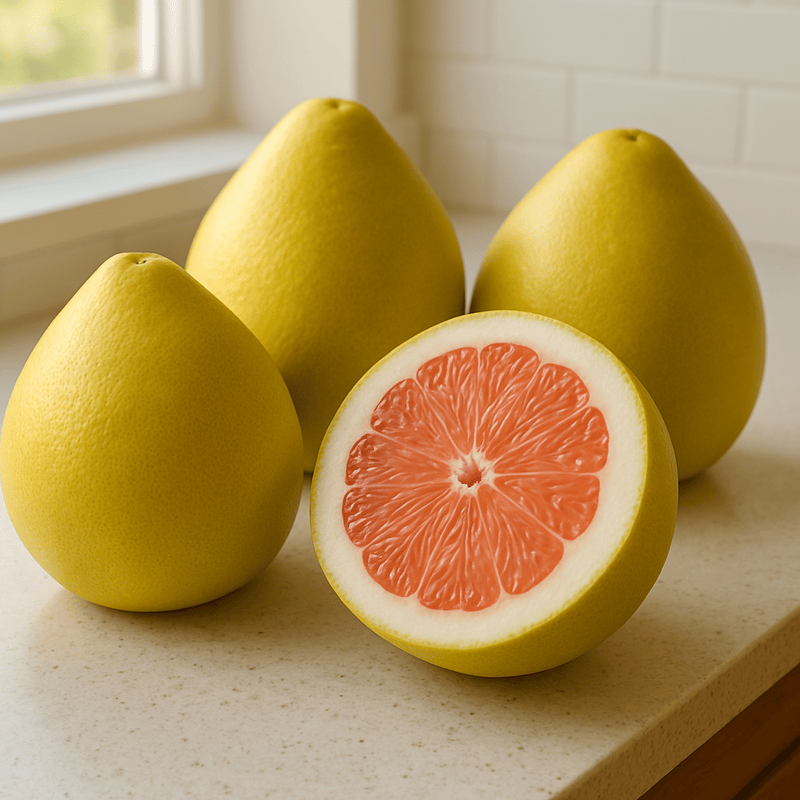
Did you know the orange is not a "wild" fruit? It is a hybrid of the pomelo and the mandarin! And fun fact: the color orange was named after the fruit, not the other way around.
What are the varieties of Orange?
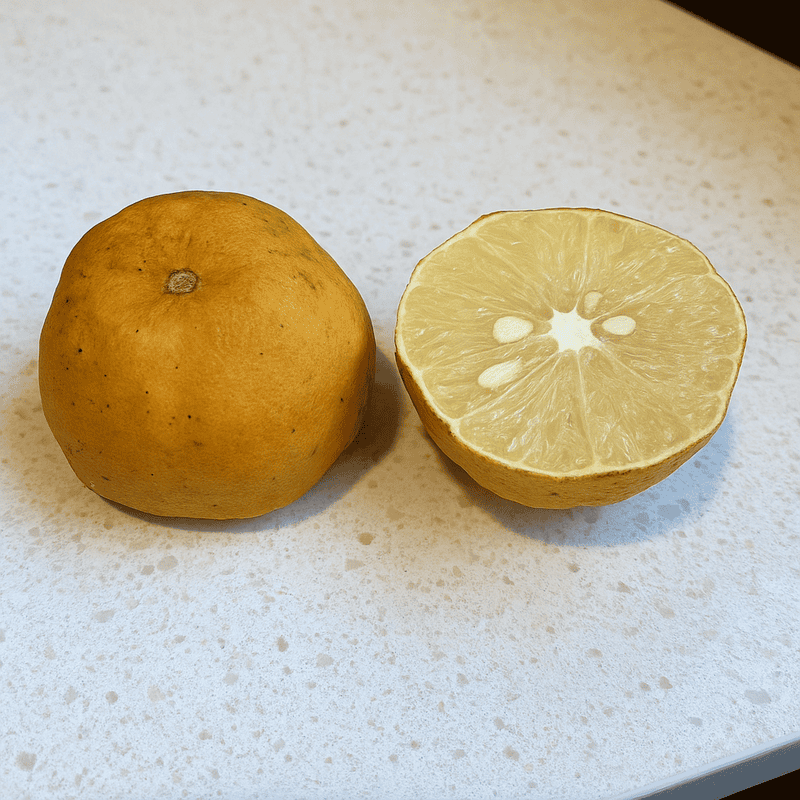
Popular varieties: Valencia (for juice), Navel (thick skin, seedless), Lima (sweet, low acidity), and Kumquat (miniature, eaten whole).
Nutritional Values per 100g of Orange
| Calories | 47 kcal |
|---|---|
| Carbohydrates | 11.8 g |
| Protein | 0.9 g |
| Fat | 0.1 g |
| Fiber | 2.4 g |
| Vitamin C | 53.2 mg |
Harvest Months
Harvest months listed here correspond to the Southern Hemisphere.
Medical Disclaimer: The health benefits of this fruit are provided for educational purposes only and do not substitute for professional medical diagnosis or advice. Read more about our sources.