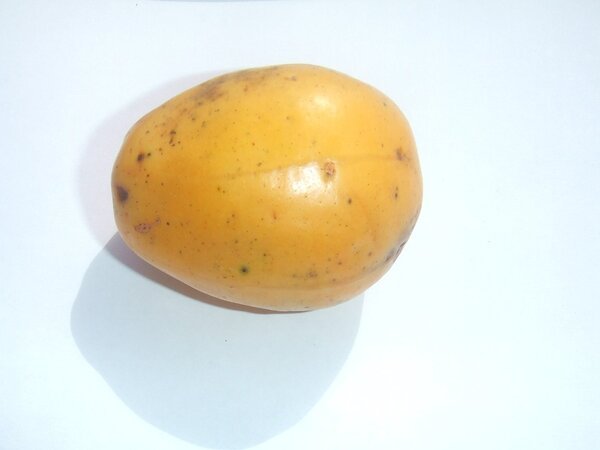
Marula
Sclerocarya birrea
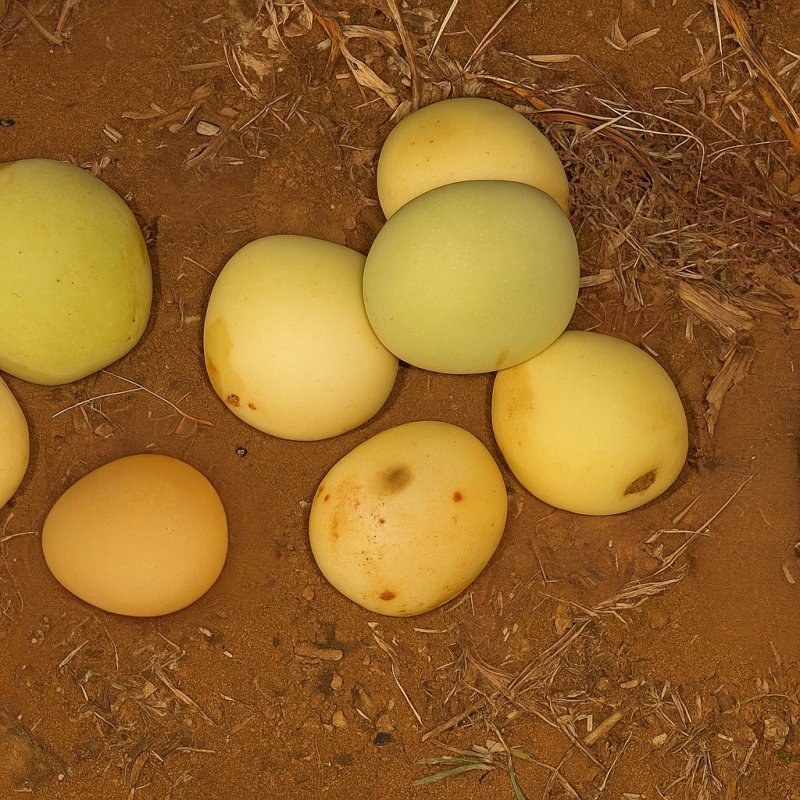
Description
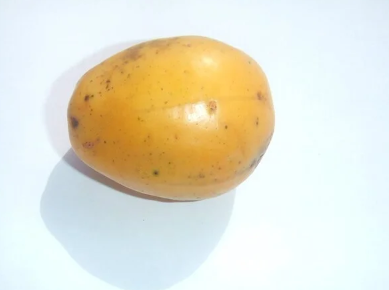
Small yellow fruit used to produce liqueurs and cosmetic oils. Consumed fresh or fermented. The tree is known as the "Elephant Tree".
Benefits
Source of Vitamin C (180 mg/100g) and essential fatty acids. Promotes skin health and immunity.
History and Origins
Marula is native to the African savanna, especially South Africa, Botswana, and Namibia. Used by local tribes for thousands of years as food and in rituals. The fruit became world-famous thanks to Amarula liqueur and stories of elephants getting intoxicated by eating fermented fruits.
Fun Facts
Legend says elephants get "happy" eating fermented Marula! The fruit is so important in South Africa that there is a festival in its honor. Also: the Marula seed is rich in oil used in high-end cosmetics.
What are the varieties of Marula?
No widely recognized commercial varieties; Marula is harvested from wild or semi-cultivated trees.
Nutritional Values per 100g of Marula
| Calories | 140 kcal |
|---|---|
| Carbohydrates | 15 g |
| Protein | 1.2 g |
| Fat | 0.8 g |
| Fiber | 3.5 g |
| Vitamin C | 180 mg |
Harvest Months
Harvest months listed here correspond to the Southern Hemisphere.
Medical Disclaimer: The health benefits of this fruit are provided for educational purposes only and do not substitute for professional medical diagnosis or advice. Read more about our sources.