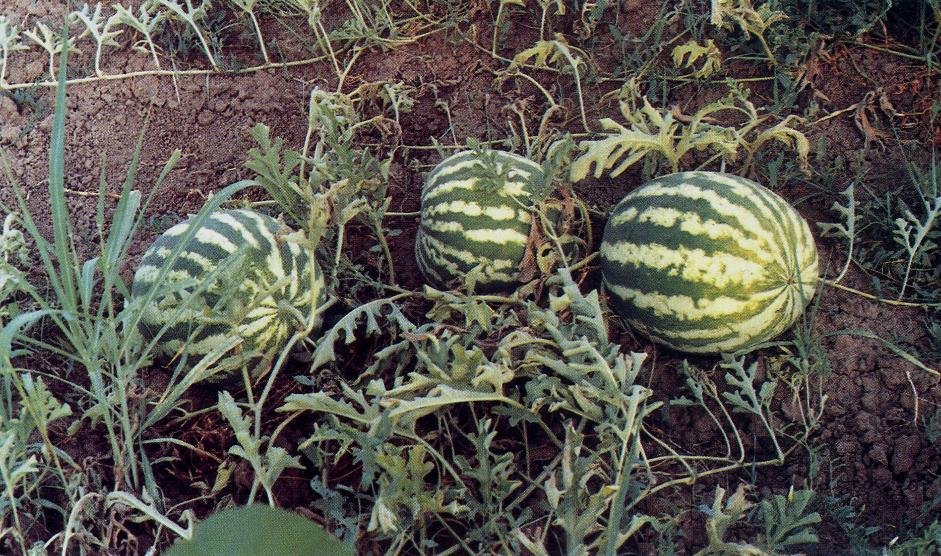
Melon
Cucumis melo
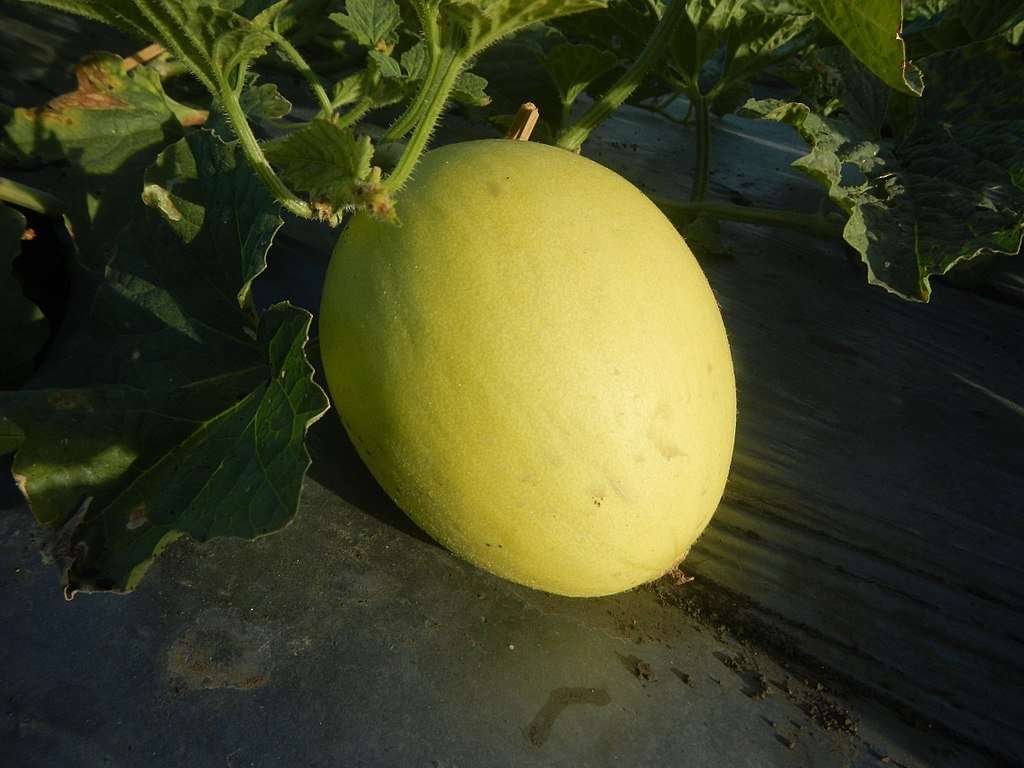
Description
Refreshing fruit with high water content. Varieties include Cantaloupe, Honeydew, and Galia, each with distinct flavor and color. Cultivated in hot, dry regions.
Benefits
Rich in potassium (267 mg/100g) and Vitamin A. Has diuretic properties and aids in hydration. Contains antioxidants that fight cellular aging.
History and Origins
Melon originated in Africa and Southwest Asia, cultivated for over 4,000 years. It was prized in Ancient Egypt and spread to Europe and the Americas. In Brazil, cultivation boomed in the 20th century, especially in the dry Northeast.
Fun Facts
Melon is 90% water! In Japan, square watermelons and premium melons are grown as luxury gifts. In Brazil, the Yellow Melon (Canary Melon) is the most popular type.
What are the varieties of Melon?
Popular varieties: Canary (Yellow, most common in Brazil), Cantaloupe (orange flesh), Galia (aromatic), Piel de Sapo (green speckled skin), and Orange Flesh.
Nutritional Values per 100g of Melon
| Calories | 34 kcal |
|---|---|
| Carbohydrates | 8.2 g |
| Protein | 0.8 g |
| Fat | 0.2 g |
| Fiber | 0.9 g |
| Vitamin C | 36.7 mg |
Harvest Months
Harvest months listed here correspond to the Southern Hemisphere.
Medical Disclaimer: The health benefits of this fruit are provided for educational purposes only and do not substitute for professional medical diagnosis or advice. Read more about our sources.