Fig
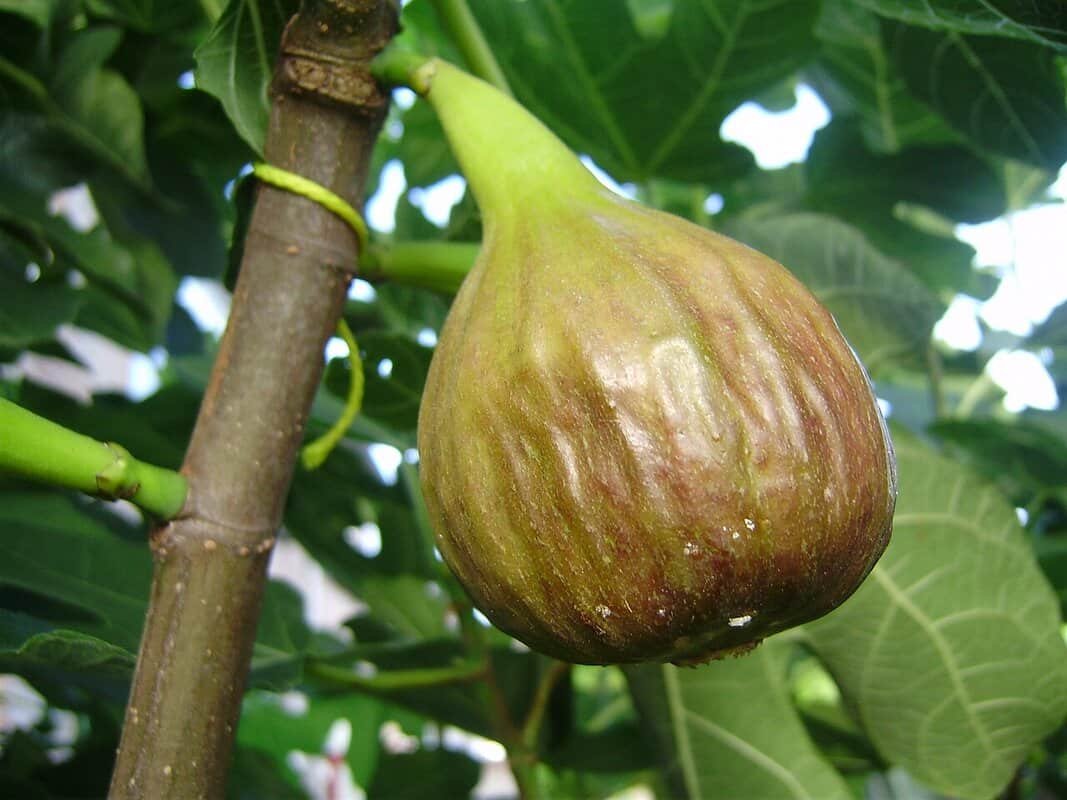
Ficus carica
Description
Pseudocarp fruit with sweet pulp. Consumed fresh or dried, mentioned in ancient texts as a symbol of prosperity.
Benefits
High calcium content (35 mg/100g) and natural prebiotics. Promotes gut health and bone density.
History and Origins
The Fig originated in the Middle East and Mediterranean, cultivated for over 5,000 years. It was sacred to Egyptians and Greeks. It arrived in Brazil with Italian immigrants and quickly became a staple in orchards.
Fun Facts
Biologically, the fig is an inflorescence—an inverted flower! A specific wasp is required for pollination. In many cultures, preserved figs are a traditional festive treat.
What are the varieties of Fig?
Popular varieties: Brown Turkey (common globally), Honey Drop (small and sweet), White Fig (rare), Kadota (light skin), and Black Mission (dark and sweet).
Nutritional Values per 100g of Fig
| Calories | 74 kcal |
|---|---|
| Carbohydrates | 19.2 g |
| Protein | 0.8 g |
| Fat | 0.3 g |
| Fiber | 2.9 g |
| Vitamin C | 2 mg |
Harvest Months
Harvest months listed here correspond to the Southern Hemisphere.
Medical Disclaimer: The health benefits of this fruit are provided for educational purposes only and do not substitute for professional medical diagnosis or advice. Read more about our sources.