Arecaceae
The Arecaceae family, commonly known as the palm family, brings together tall, column‑like trees with large, divided leaves that form a crown at the top. This botanical family is important because it includes many species that produce well‑known fruits such as coconut, açaí, and other tropical palm fruits.
Overview
Arecaceae is a family of monocotyledonous plants, mostly represented by trees with a single, upright trunk and a cluster of leaves at the top. The leaves are usually large and either fan‑shaped (palmate) or feather‑shaped (pinnate), which creates the classic “palm tree” silhouette.
On Frutopedia, this family stands out because many palms are not only ornamental, but also food‑producing plants. In tropical regions, species from this family contribute to both local diets and commercial food production.
Botanical features
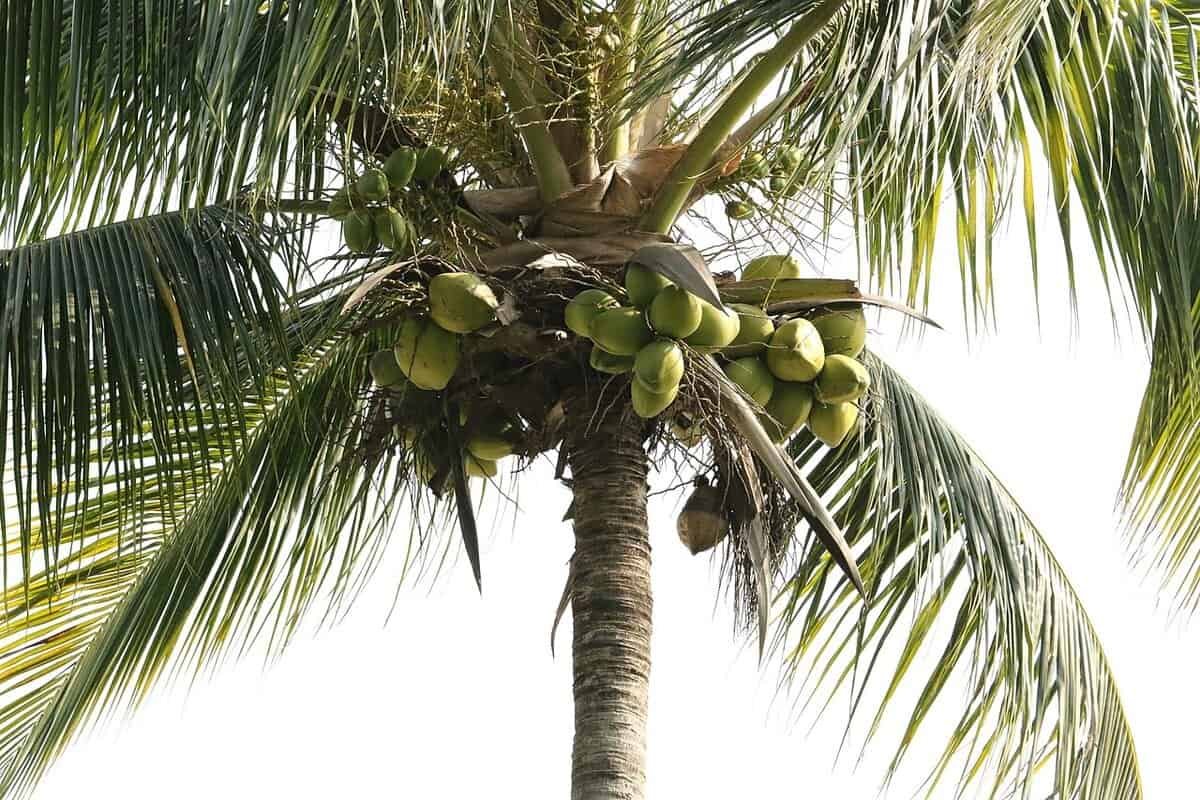
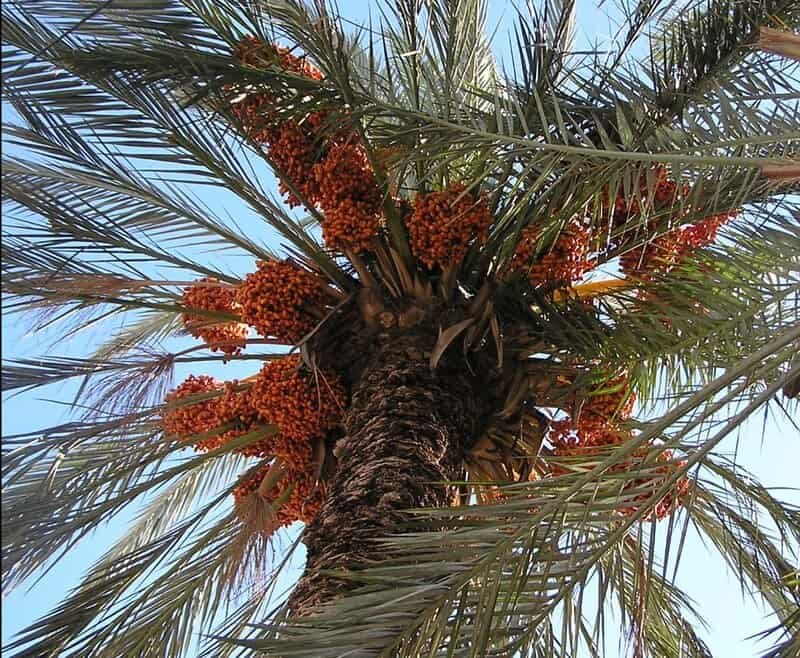
Plants in the Arecaceae family typically grow with a slender, unbranched trunk and a massive leaf cluster at the top, often called a crown. The leaves are arranged in a spiral along the stem and are attached by long leaf stalks that emerge from leaf sheaths around the trunk.
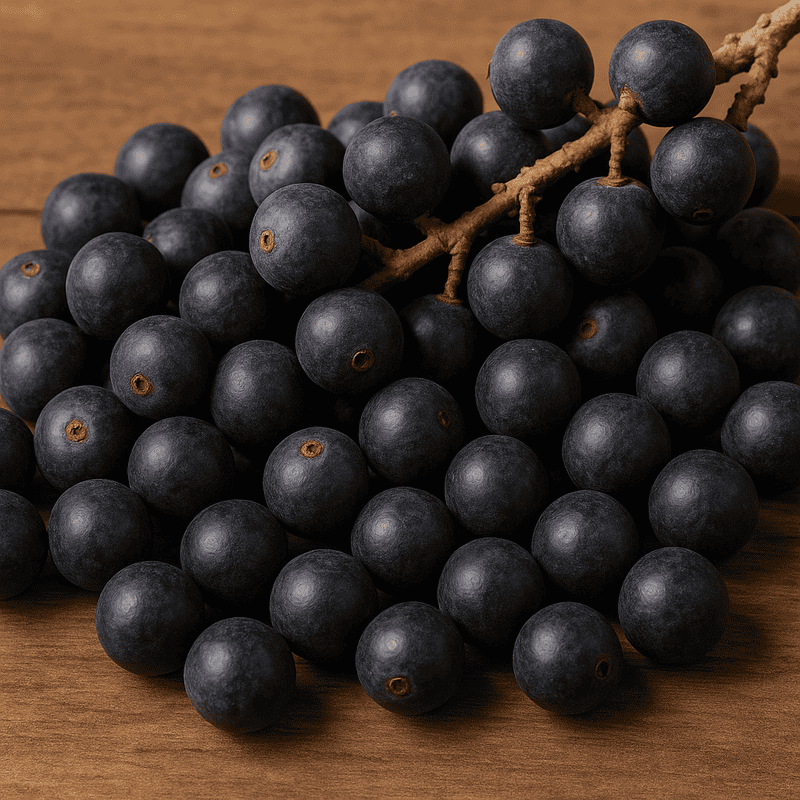
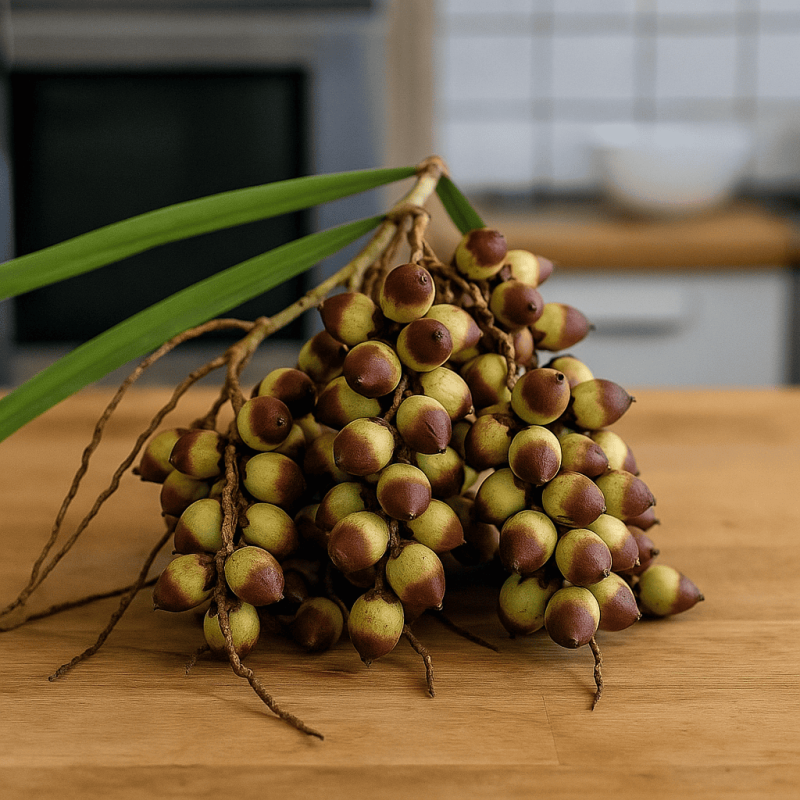
The flowers are usually small and grouped in spikes or branched clusters, often protected by a hard, leafy covering called a spathe. The fruit is commonly fleshy or oily, with a single large seed inside, as seen in coconuts and many açaí‑type palms.
Origin and distribution
Arecaceae species are found mainly in tropical and subtropical regions, with high diversity in rainforests, coastal areas, and wetlands. Many palms appear in biomes such as the Amazon, the Atlantic Forest, and coastal habitats, where they play ecological and economic roles.
Over time, several palm species have been introduced to other warm regions around the world for ornamental gardens, avenues, and commercial fruit production. This has made Arecaceae one of the most visually recognizable botanical families in the tropics.
Representative fruits
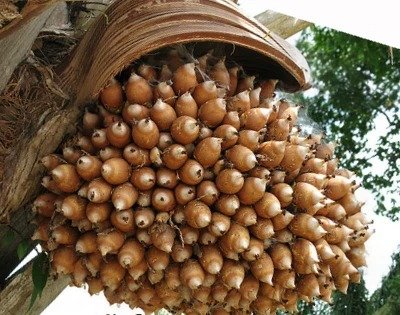
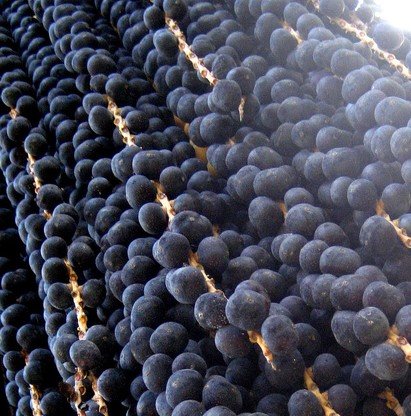
Among the best‑known fruits from Arecaceae are the **coconut** and the **açaí**. Other species, such as **babaçu**, **buriti**, and **peach palm** (*Bactris gasipaes*), also produce fruits used in local foods, drinks, and traditional products.
The complete list of fruits from this family on Frutopedia appears in the bottom section of the page, where each fruit is shown in a card with a quick link to its own details.
Interesting facts
One interesting feature of Arecaceae fruits is that many are rich in beneficial fats, fiber, vitamins, and bioactive compounds, which has led to interest in their use in food, cosmetics, and health‑related products. This nutritional potential increases the importance of studying these palm fruits.
Another notable point is that, beyond fruits, many palms provide oil, fibers, palm hearts, and thatch, which shows how the family contributes to both aesthetics and economic activities in tropical regions.
Frequently asked questions
1. What is the Arecaceae family?
It is a botanical family that includes palms, characterized by tall trunks and large crown‑like leaves, many of which produce edible fruits.
2. Does the coconut belong to this family?
Yes. The coconut palm is one of the most famous members of the Arecaceae family.
3. Is açaí also part of Arecaceae?
Yes. The açaí palm is another important species in this family, especially in Amazonian regions.
4. Do all palms produce edible fruits?
No. Many palms are grown mainly for ornamental purposes, while only certain species have fruits commonly used in food.