Anacardiaceae
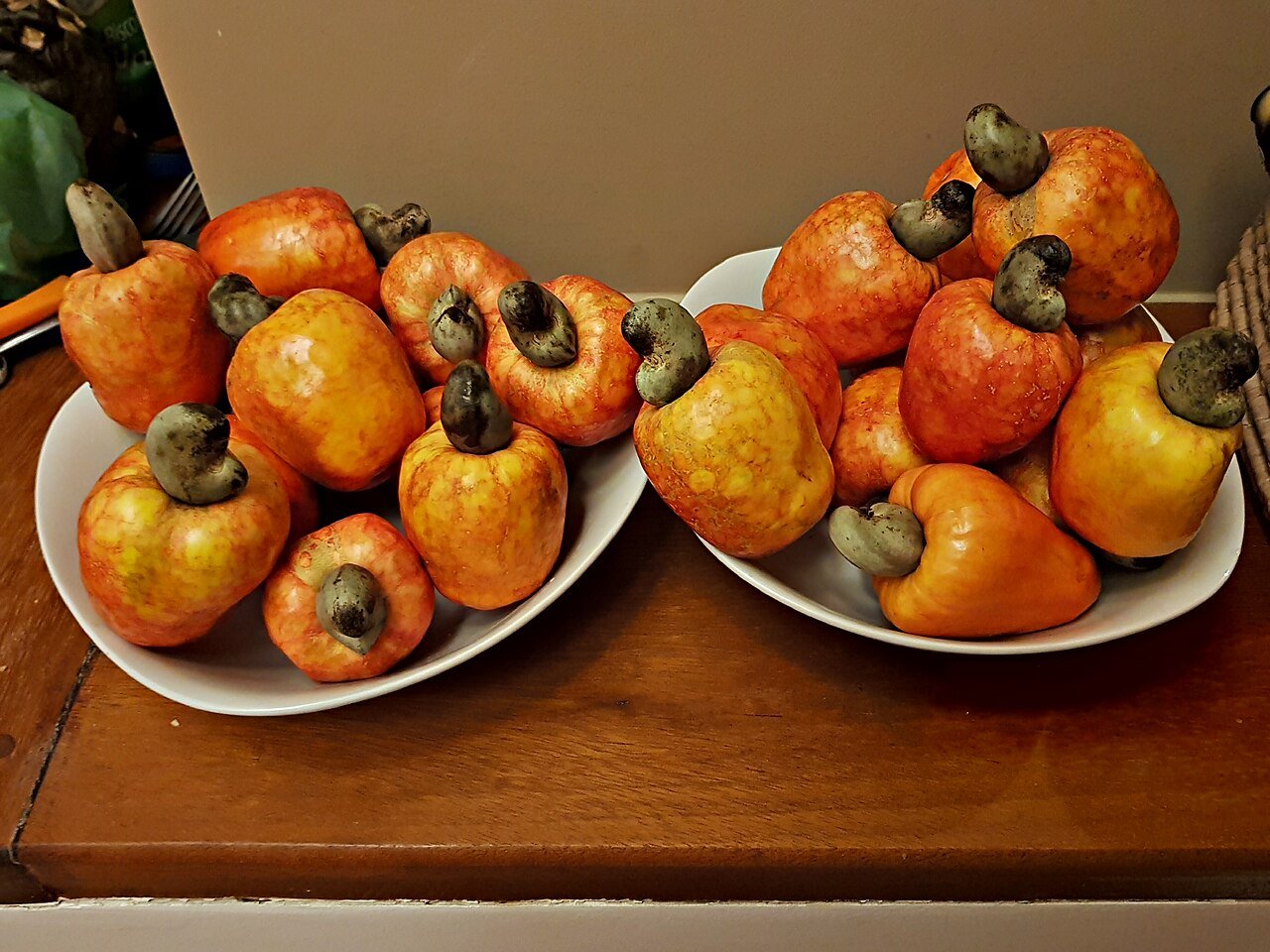
The Anacardiaceae family includes several well‑known trees and shrubs that produce popular fruits such as mango, cashew, and pistachio. This botanical family is important for both fruit production and everyday food, making it a significant group in tropical and subtropical agriculture.
Overview
Anacardiaceae is a family of flowering plants that includes trees, shrubs, and sometimes climbing species. Many of its members produce fleshy fruits, often in the form of drupes, with a hard internal part that protects the seed. In simple terms, it is a group of plants that give a wide range of fruits, many of which are widely eaten around the world.
On Frutopedia, this family stands out because its fruits appear regularly in diets and markets, even if the name “Anacardiaceae” is not very familiar to the general public. That contrast between common fruits and a less‑known family name is part of what makes this group interesting to learn about.
Botanical features
Plants in the Anacardiaceae family often have simple or compound leaves and may release resinous or aromatic substances. This can help botanists recognize the group, although the most familiar traits for most people are related to the fruits rather than the leaves or stems.
The fruits themselves are usually fleshy and can be quite aromatic or flavorful. In some species, parts of the plant may cause skin irritation in sensitive people, which is why this botanical family is also studied for its chemical properties and safety in handling.
Origin and distribution
Species in the Anacardiaceae family are found mainly in tropical and subtropical regions. Over time, several members have spread to other areas through cultivation, thanks to their valuable fruits and adaptability to different climates.
In practice, this explains why the family includes both local trees in warm regions and globally traded fruits. It is a diverse group, capable of growing in several types of environments, which contributes to its wide geographic presence.
Representative fruits
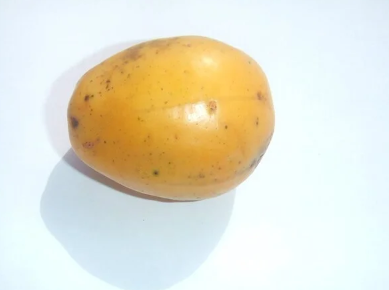
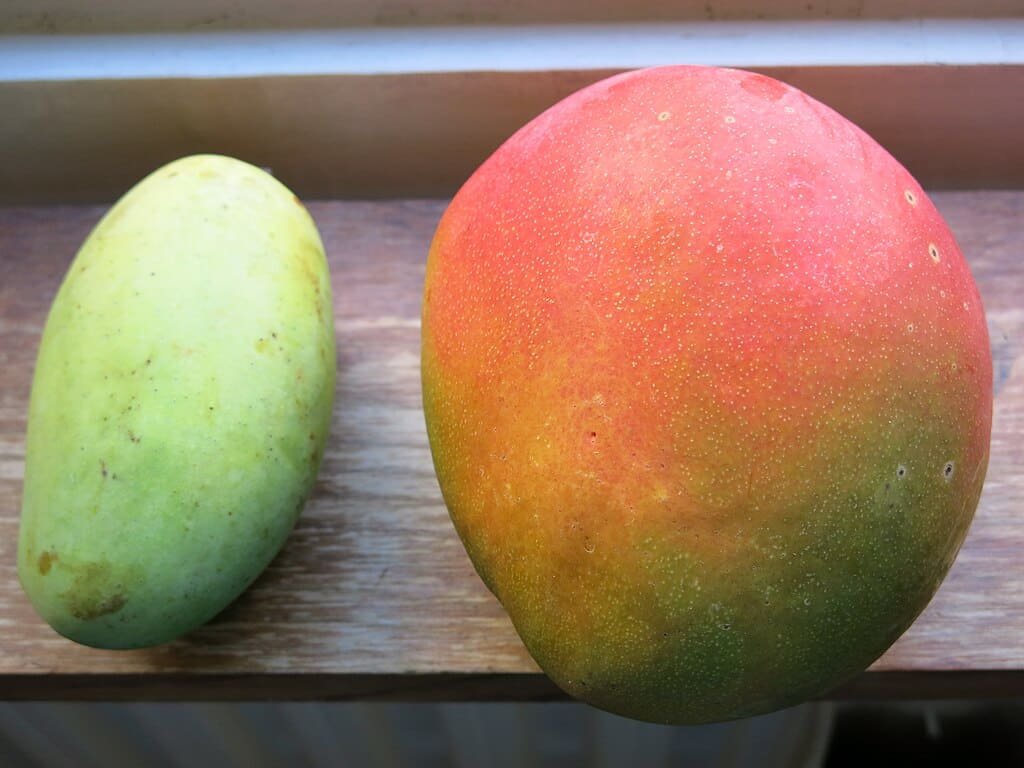
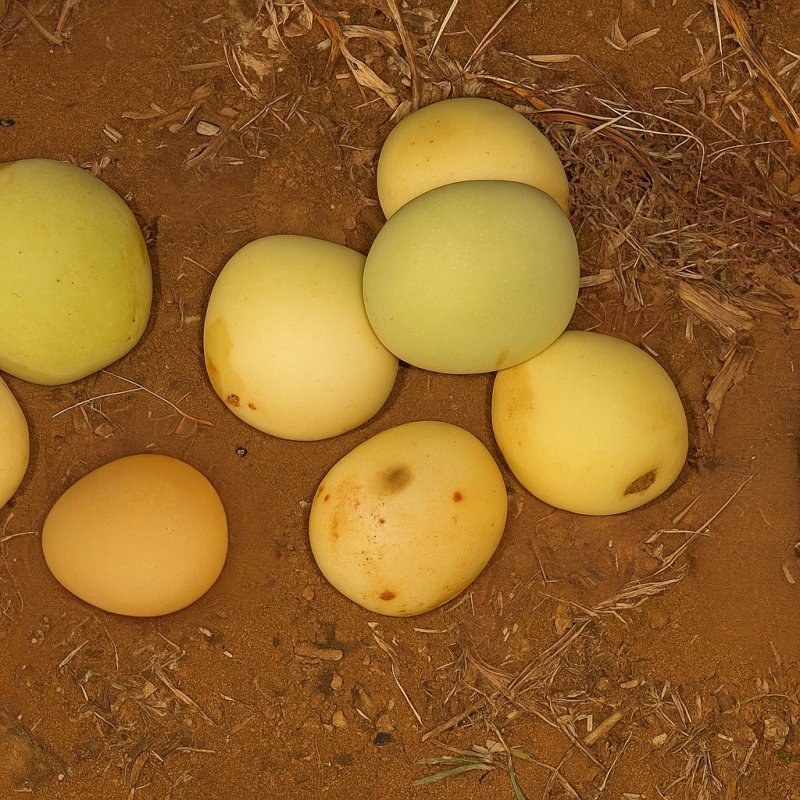
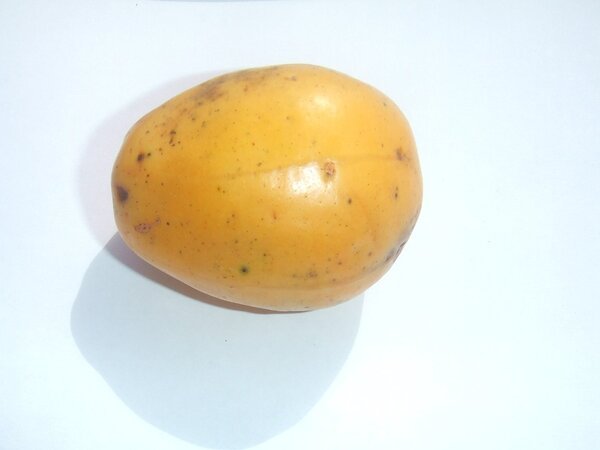
Among the best‑known fruits from Anacardiaceae are the **mango**, the **cashew**, and the **pistachio**. The family also includes other edible fruits, such as **sapote** and **rose apple**, depending on the classification used by botanical and agricultural sources.
The bottom section of this page contains a set of cards that list all the fruits from this family included in Frutopedia, with direct links to the details for each fruit.
Interesting facts
One notable fact is that the cashew “fruit” people eat is actually a modified structure attached to the true fruit, the cashew nut. This unusual arrangement makes the cashew an interesting example of how plants can form edible parts in unexpected ways.
Another point is that Anacardiaceae includes both widely consumed fruits and some species known for causing skin irritation or other reactions. This contrast shows how rich and varied the family is, from a botanical and practical standpoint.
Frequently asked questions
1. What is the Anacardiaceae family?
It is a botanical family of plants that includes trees and shrubs, many of them known for fruits like mango and cashew.
2. Does mango belong to this family?
Yes, mango is one of the most famous fruits in the Anacardiaceae family.
3. Is cashew also part of this family?
Yes, the cashew tree is a member of the Anacardiaceae family.
4. Are all plants in this family edible?
No. While many species produce edible fruits, others can cause skin irritation or have mainly ornamental uses.