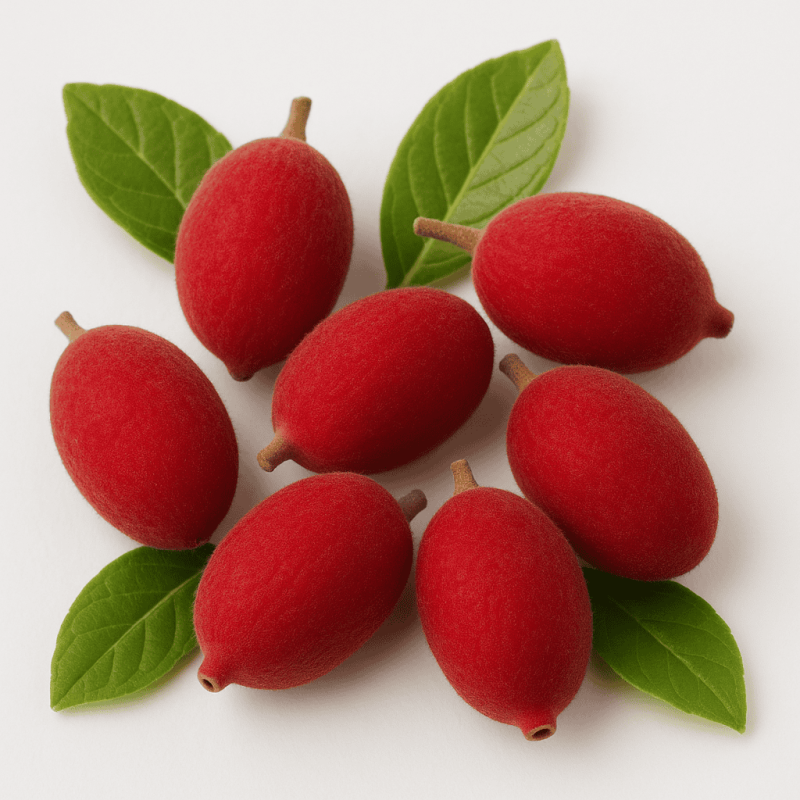
Noni
Morinda citrifolia
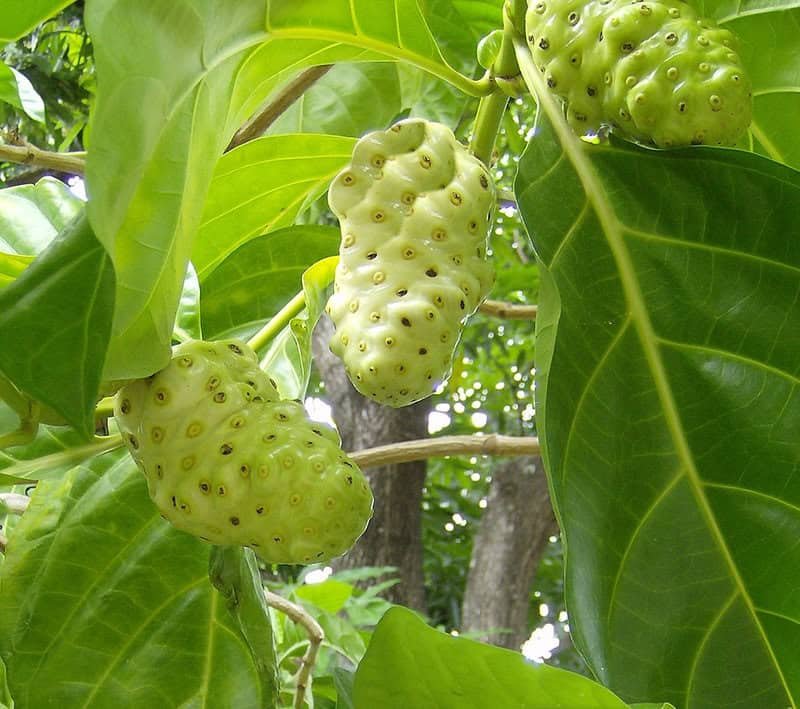
Description
Polynesian fruit with a peculiar appearance and strong odor, often compared to cheese. Used traditionally for medicinal purposes.
Benefits
Contains xeronine and antioxidants. Traditionally used to boost immunity and energy levels.
History and Origins
Noni originated in Southeast Asia and Australasia but spread across the Pacific by Polynesian sailors. It has been used in traditional medicine for over 2,000 years. In recent decades, it gained global fame as a health supplement, though its taste remains controversial.
Fun Facts
Noni is often called "cheese fruit" or "vomit fruit" due to its pungent smell when ripe! Despite this, it was a famine food in the Pacific islands. It is one of the few plants that flower and fruit year-round.
What are the varieties of Noni?
Mainly distinguished by size and leaf shape; few named commercial cultivars exist.
Nutritional Values per 100g of Noni
| Calories | 47 kcal |
|---|---|
| Carbohydrates | 11.2 g |
| Protein | 0.4 g |
| Fat | 0.2 g |
| Fiber | 3.4 g |
| Vitamin C | 34 mg |
Harvest Months
Harvest months listed here correspond to the Southern Hemisphere.
Medical Disclaimer: The health benefits of this fruit are provided for educational purposes only and do not substitute for professional medical diagnosis or advice. Read more about our sources.