Bacuri
Platonia insignis

Description
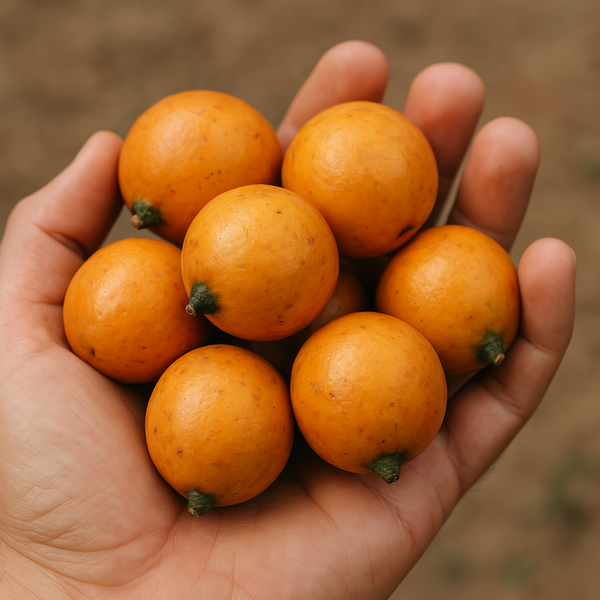
Amazonian fruit with a hard shell and creamy white pulp. Used in regional cuisine and cosmetics.
Benefits
Rich in phosphorus and Vitamin C. Aids in dental health and collagen synthesis.
History and Origins
Bacuri is native to the Amazon and Cerrado regions, cultivated for centuries by local communities. It was considered a noble fruit by Portuguese colonizers, used in sweets and liqueurs. Today, it is a symbol of Amazonian cuisine.
Fun Facts
The Bacuri shell is so hard it often needs a machete to open! Its name comes from Tupi "mbakury", meaning "fruit that falls". It is said that once you taste Bacuri, you never forget the flavor.
What are the varieties of Bacuri?
Varieties: Forest Bacuri (most common), Beach Bacuri (larger fruit), Little Bacuri (small and sweet), and Bacuripari (close relative, thin skin).
Nutritional Values per 100g of Bacuri
| Calories | 154 kcal |
|---|---|
| Carbohydrates | 36.7 g |
| Protein | 1.3 g |
| Fat | 0.9 g |
| Fiber | 2.1 g |
| Vitamin C | 35.2 mg |
Harvest Months
Harvest months listed here correspond to the Southern Hemisphere.
Medical Disclaimer: The health benefits of this fruit are provided for educational purposes only and do not substitute for professional medical diagnosis or advice. Read more about our sources.