Pequi
Caryocar brasiliense
Description
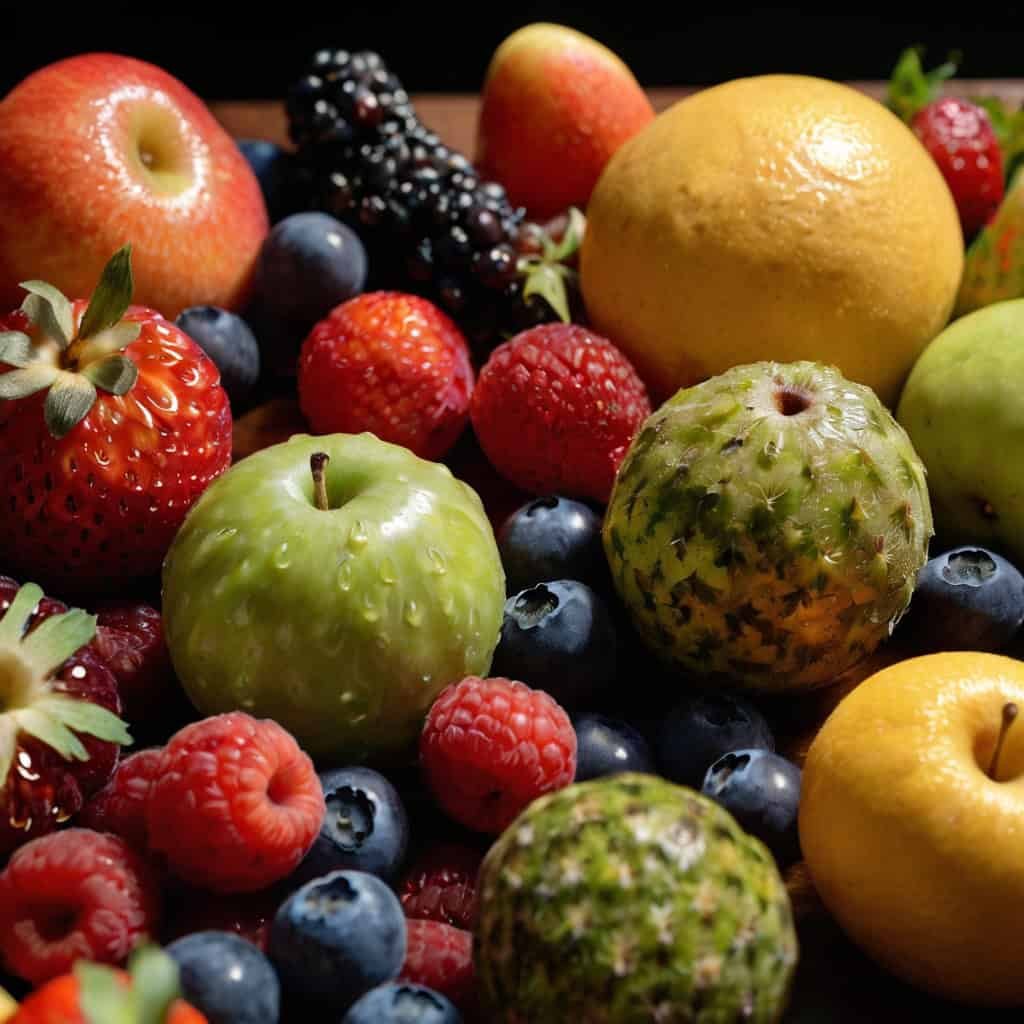
Symbolic fruit of the Brazilian Savannah (Cerrado), with yellow pulp and dangerous spines inside the pit. Used in savory dishes like "Rice with Pequi".
Benefits
Rich in Vitamin A (2600 IU/100g) and antioxidants. Aids in eye health and fights inflammation.
History and Origins
Pequi is native to the Brazilian Cerrado biome and was consumed by indigenous peoples long before colonization. It became a symbol of cuisine in the states of Goias and Minas Gerais. Its unique flavor is now being discovered internationally.
Fun Facts
Pequi: love it or hate it! The smell is strong and the pulp delicious, but WARNING: the pit contains sharp spines that can injure your mouth—do not bite into the pit! Locals say "if you haven't eaten Pequi, you don't know the Cerrado".
What are the varieties of Pequi?
Varieties: Cerrado Pequi (most common), Dwarf Pequi (smaller tree), Smooth Pequi (spine-free pit, rare), and Forest Pequi (more aromatic).
Nutritional Values per 100g of Pequi
| Calories | 205 kcal |
|---|---|
| Carbohydrates | 20.1 g |
| Protein | 2.3 g |
| Fat | 13.5 g |
| Fiber | 12.4 g |
| Vitamin C | 24.7 mg |
Harvest Months
Harvest months listed here correspond to the Southern Hemisphere.
Medical Disclaimer: The health benefits of this fruit are provided for educational purposes only and do not substitute for professional medical diagnosis or advice. Read more about our sources.