Urumbeba
Brasiliopuntia brasiliensis
Description
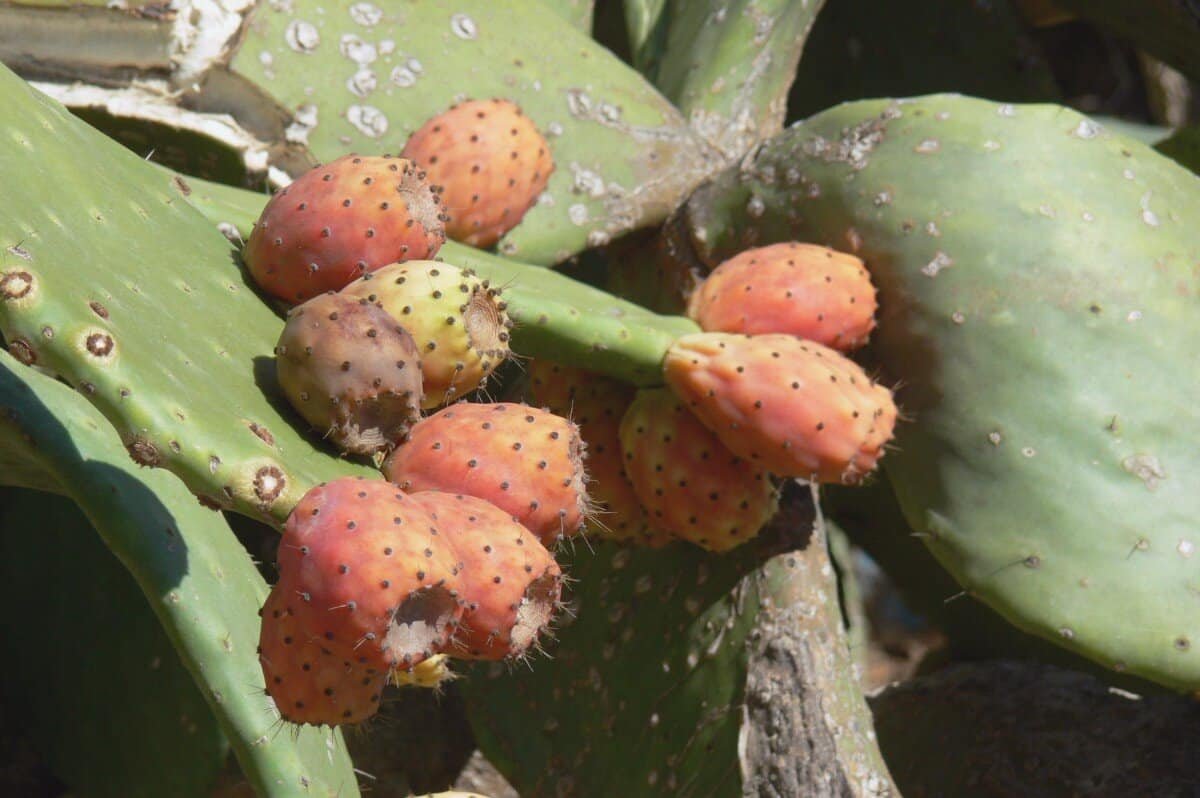
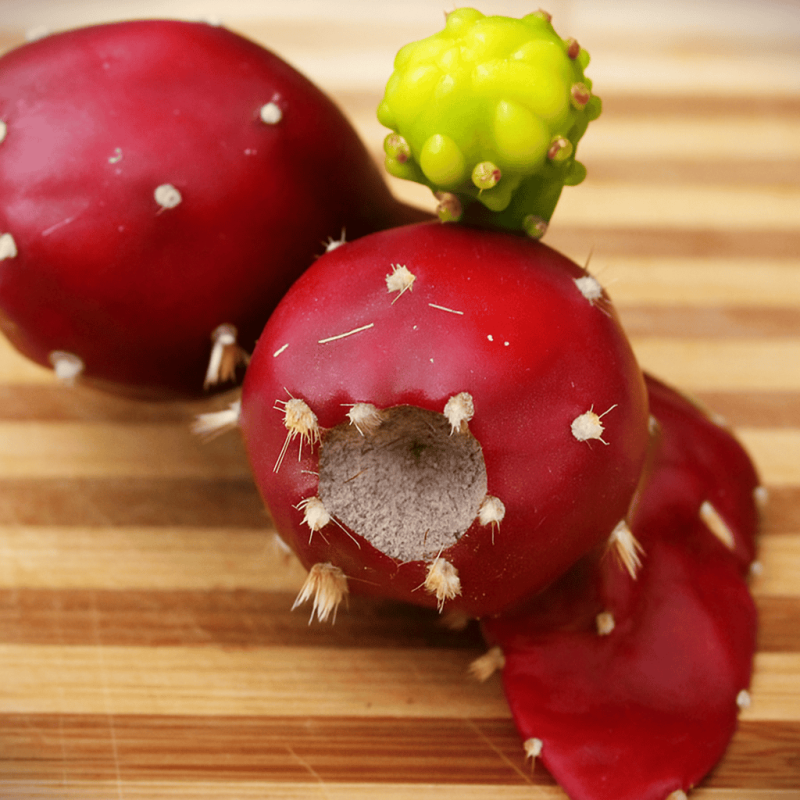
Fruit of a Brazilian cactus, with thin skin and juicy green or reddish pulp. Flavor is mild and slightly tart. Native to Southern Brazil and the Pantanal region.
Benefits
Rich in fiber, antioxidants, Vitamin C, and minerals. Aids hydration, digestion, and has anti-inflammatory properties.
History and Origins
Urumbeba (often associated with the Mandacaru cactus in folklore) is native to the Brazilian semi-arid regions. It served as a source of food and water for indigenous peoples and settlers during droughts. Today, the red fruit is used in artisanal jams.
Fun Facts
The Urumbeba flower blooms at night and lasts only a few hours! Locals call the fruit "Apple of the Outback" (Maçã do Sertão). It is a symbol of resilience in the Northeast.
What are the varieties of Urumbeba?
No widely recognized commercial varieties; harvested mainly from wild or ornamental cactus (Brasiliopuntia/Cereus).
Nutritional Values per 100g of Urumbeba
| Calories | 41 kcal |
|---|---|
| Carbohydrates | 9.5 g |
| Protein | 0.8 g |
| Fat | 0.5 g |
| Fiber | 3 g |
| Vitamin C | 18 mg |
Harvest Months
Harvest months listed here correspond to the Southern Hemisphere.
Medical Disclaimer: The health benefits of this fruit are provided for educational purposes only and do not substitute for professional medical diagnosis or advice. Read more about our sources.