Pineapple
Ananas comosus
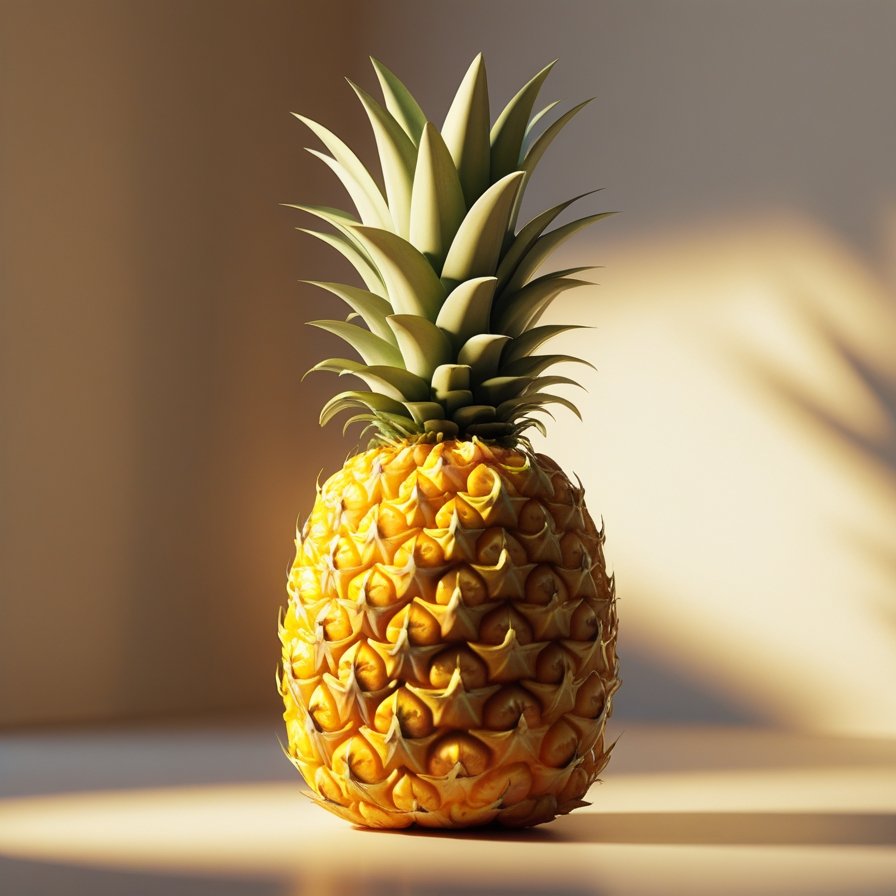
Description
Tropical aggregate fruit with spiky skin and yellow, juicy flesh. Known for its perfect balance of sweetness and acidity. The symbol of hospitality.
Benefits
Rich in Vitamin C, manganese, and bromelain (enzyme). Aids digestion, reduces inflammation, and speeds up recovery after surgery or exercise.
History and Origins
Pineapple originated in South America (Brazil/Paraguay region). Indigenous peoples spread it across the continent, calling it "nanas" (excellent fruit). Columbus encountered it in Guadeloupe in 1493 and brought it to Europe, where it became a symbol of extreme luxury.
Fun Facts
A pineapple plant produces only one fruit every 18-24 months! In Brazil, there is a saying "to peel a pineapple" (descascar um abacaxi), which means to solve a very difficult problem. Also, it contains bromelain, which can "eat" you back (tingling tongue)!
What are the varieties of Pineapple?
Varieties: Smooth Cayenne (industry standard), Pearl/Pérola (sweet, white pulp, most popular in Brazil), Gold (extra sweet), and Queen (small, crisp).
Nutritional Values per 100g of Pineapple
| Calories | 50 kcal |
|---|---|
| Carbohydrates | 13.1 g |
| Protein | 0.5 g |
| Fat | 0.1 g |
| Fiber | 1.4 g |
| Vitamin C | 47.8 mg |
Harvest Months
Harvest months listed here correspond to the Southern Hemisphere.
Medical Disclaimer: The health benefits of this fruit are provided for educational purposes only and do not substitute for professional medical diagnosis or advice. Read more about our sources.