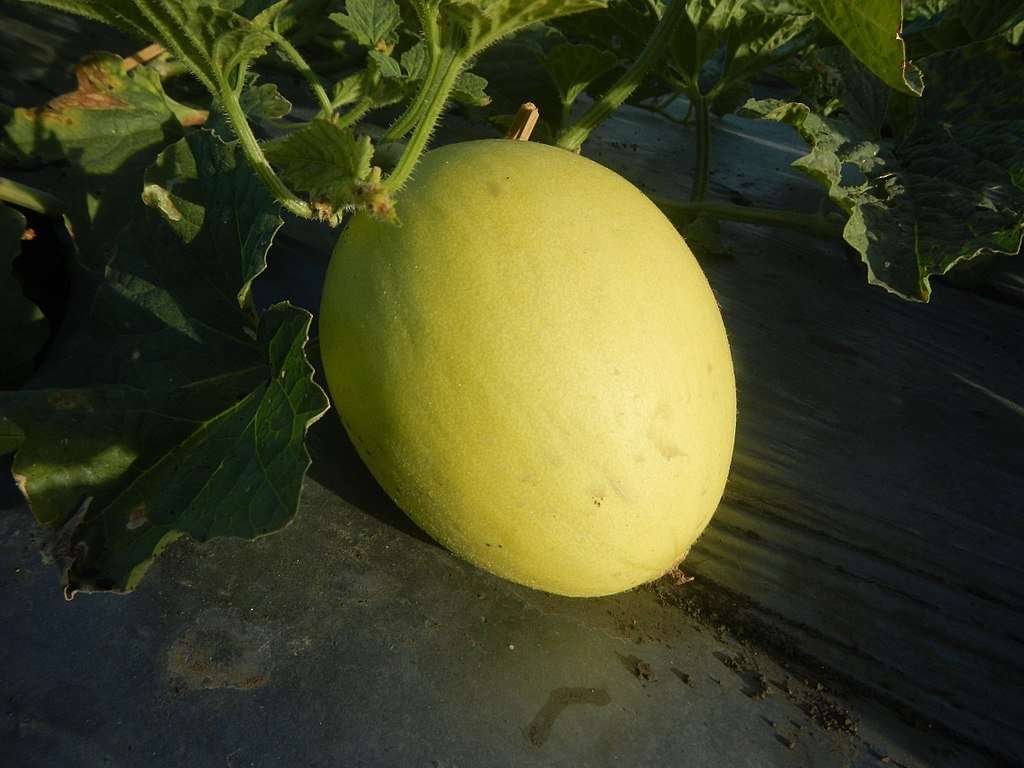
Cucurbitaceae
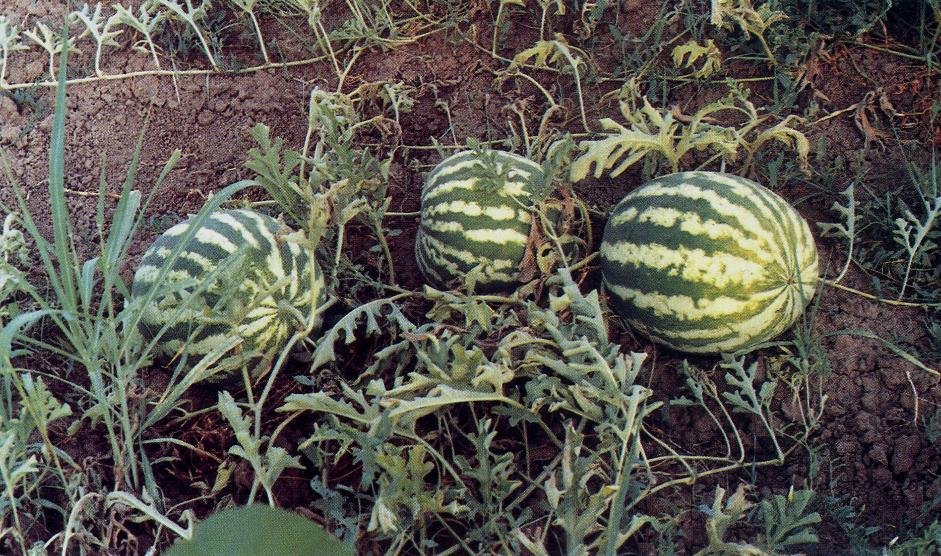
The Cucurbitaceae family brings together many familiar plants, such as watermelon, cucumber, melon, and pumpkin. This botanical family is important because it includes several widely eaten fruits and vegetables that appear regularly in diets around the world, as well as crops of strong cultural and agricultural value.
Overview
Cucurbitaceae is a group of mostly trailing or climbing plants, often with thin, coiled tendrils that help them attach to supports such as fences or trellises. The family is adapted to warm climates and includes species that produce large fruits, usually with succulent flesh or a firm outer rind.
On Frutopedia, this family stands out because it gathers common foods that many people recognize without realizing they belong to the same botanical group. In simple terms, it is the family of “vining fruits” and vegetables that are part of everyday meals in many regions.
Botanical features
Plants in the Cucurbitaceae family usually have soft, non‑woody stems and broad leaves, often lobed or hand‑shaped. Flowers are commonly separate into male and female forms, which can appear on the same plant or on different plants, depending on the species.
The fruits are typically large berries known as “pepos,” with a tougher outer skin and a soft, fleshy interior. This structure is why fruits like melon, pumpkin, and watermelon combine a firm outer rind with juicy or soft flesh inside.
Origin and distribution
Cucurbitaceae species are mainly found in tropical and subtropical regions, but many have spread to temperate areas through cultivation. The family has a strong presence in the Americas, Africa, and Asia, where several species have been domesticated for thousands of years.
In Brazil and many other countries, members of this family are grown in commercial farms, small‑scale gardens, and home vegetable patches. This wide distribution shows how important Cucurbitaceae is for global food production and local agriculture.
Representative fruits
Among the best‑known fruits from Cucurbitaceae are the **watermelon**, the **melon**, the **cucumber**, and the **pumpkin**. Other species, such as **chayote** and **okra‑like gourds**, are also used in regional dishes, even though they are not always labeled “fruit” in everyday language.
The full list of fruits from this family on Frutopedia appears in the bottom section of the page, where each fruit is shown in a card with a quick link to its own details.
Interesting facts
One interesting fact is that many species in Cucurbitaceae have been cultivated for thousands of years, playing a key role in human diets across ancient and modern civilizations. This includes both sweet fruits like watermelon and melon and savory‑type fruits such as pumpkin and chayote.
Another notable point is the wide variety of fruit shapes and sizes within the same family. From small, tender gourds to very large pumpkins, Cucurbitaceae fruits can be round, oval, elongated, or deeply lobed, often with different colors and textures of flesh.
Frequently asked questions
1. What is the Cucurbitaceae family?
It is a botanical family of trailing or climbing plants that includes commonly eaten fruits and vegetables, such as watermelon, melon, cucumber, and pumpkin.
2. Do cucumber and pumpkin belong to the same family?
Yes. Both cucumber and pumpkin are members of the Cucurbitaceae family, along with watermelon and melon.
3. Are all plants in this family sweet?
No. Some fruits, like watermelon and melon, are sweet, while others, like certain pumpkins and gourds, are used more in savory dishes.
4. Do these plants climb on supports?
Yes. Many species have tendrils that help them climb on fences, trellises, or other plants, making them well‑suited for vertical cultivation.