Cactaceae
The Cactaceae family brings together succulent plants commonly known as cacti, characterized by thick, fleshy stems and prominent spines. This botanical family is notable not only for its ornamental appeal but also for including species that produce edible fruits such as the prickly pear and dragon fruit.
Overview
Cactaceae is a group of plants adapted to dry or semi‑arid climates, mostly native to the Americas. These plants store water in their thick, green stems and often lack visible leaves, using the stem for photosynthesis.
On Frutopedia, this family is important because it shows how plants with a sharp, spiny look can yield juicy, flavorful fruits. The contrast between appearance and taste helps make cacti and their fruits interesting to both casual readers and food enthusiasts.
Botanical features
Plants in the Cactaceae family have succulent stems that can be columnar, flattened, or spherical, with a waxy outer surface that helps minimize water loss. The spines are modified leaves that grow from unique structures called areoles, arranged along the stem.
The flowers are often large and colorful, emerging directly from the stem or the “branches” of the cactus. The fruits can be fleshy berries, like the prickly pear, or more crisp, as in some species of dragon fruit, showing how the same family can offer both ornamental and edible plants.
Origin and distribution
Cactaceae originated mainly in the Americas, with a high concentration of species in Mexico. Many cacti also appear in arid regions of the southern United States, Central America, the Caribbean, and parts of South America, where they thrive in hot, dry habitats.
Over time, many cacti have been moved to other continents and are now grown in gardens and pots worldwide, alongside the commercial cultivation of fruits such as prickly pear and dragon fruit. This global spread highlights the adaptability of the family beyond their original dry environments.
Representative fruits
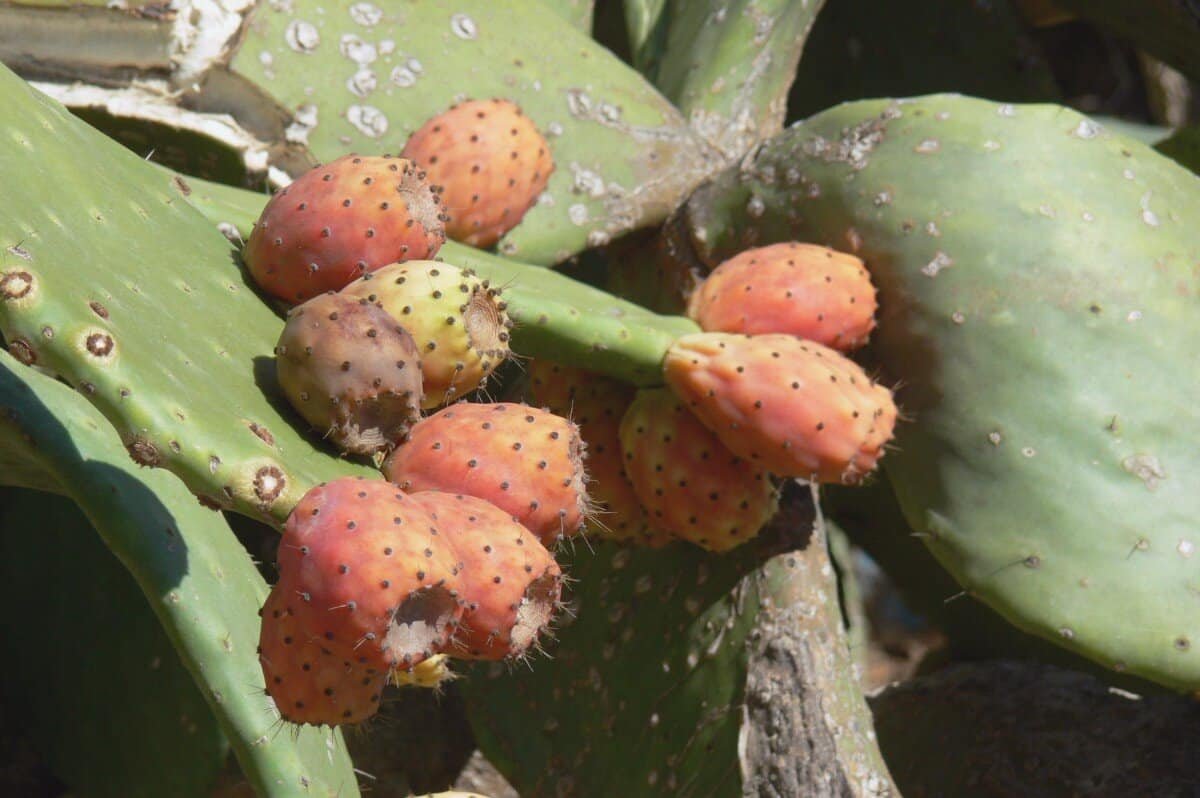
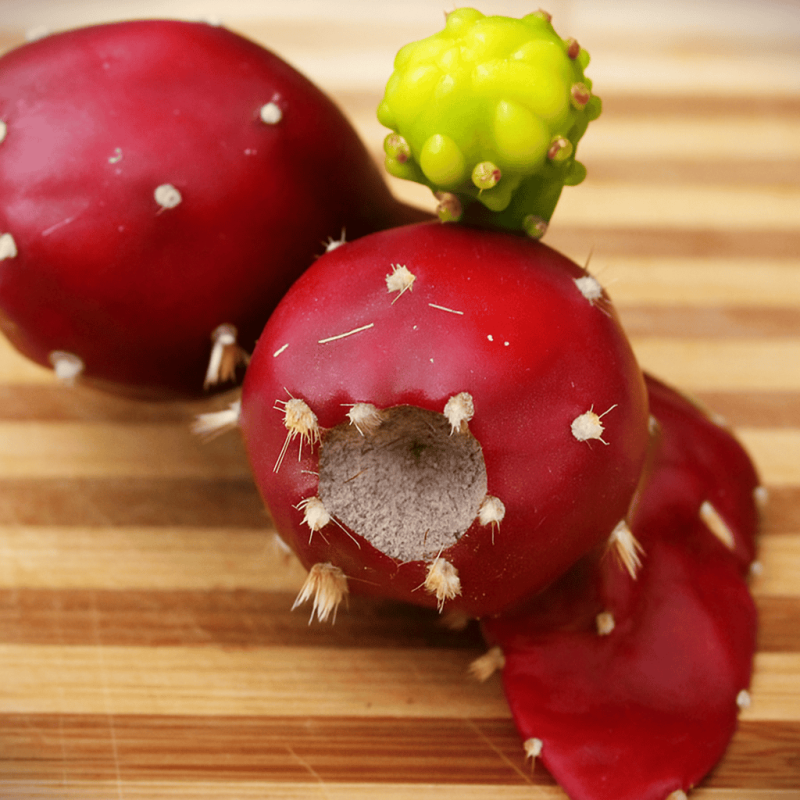
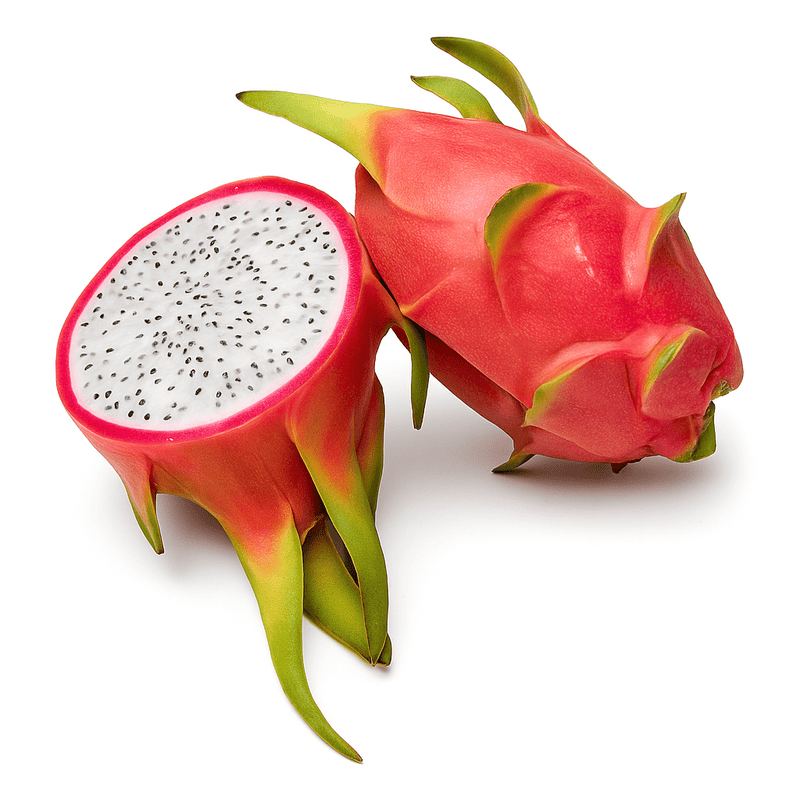
Among the best‑known fruits from Cactaceae are the **prickly pear** (*Opuntia ficus‑indica*), used in juices, jams, and cooked dishes, and the **dragon fruit** (or **pitaya**), known for its colorful flesh and sweet taste. Other species, such as some *Hylocereus* and *Cereus* cacti, also produce edible fruits grown in specific regions.
The full list of fruits from this family on Frutopedia appears in the bottom section of the page, where each fruit is shown in a card with a quick link to its own details.
Interesting facts
One interesting trait of many cacti is that their flowers are large and showy but often short‑lived, blooming for just a few days or even only at night. After flowering, these plants develop juicy fruits that can be eaten fresh or processed into different products.
Another notable point is that, in dry regions, some cacti are used as food sources for both people and livestock, especially when the spines are reduced or removed through cultivation. This shows how Cactaceae can be useful beyond decoration in challenging environments.
Frequently asked questions
1. What is the Cactaceae family?
It is a botanical family of succulent plants known as cacti, with thick stems, spines from areoles, and in some species, edible fruits.
2. Do all cacti produce edible fruits?
No. Many are grown only for their ornamental value, while certain species, such as the prickly pear and dragon fruit, have fruits commonly used in food.
3. Are fruits from this family tasty?
Yes. Many fruits from Cactaceae have juicy, mildly sweet flesh and are used in juices, desserts, and traditional preparations.
4. Can cacti grow outside dry regions?
Yes. Many cacti are grown in gardens and pots in various climates, as long as they do not receive excess water and have well‑draining soil.