Rambai
Baccaurea motleyana

Description
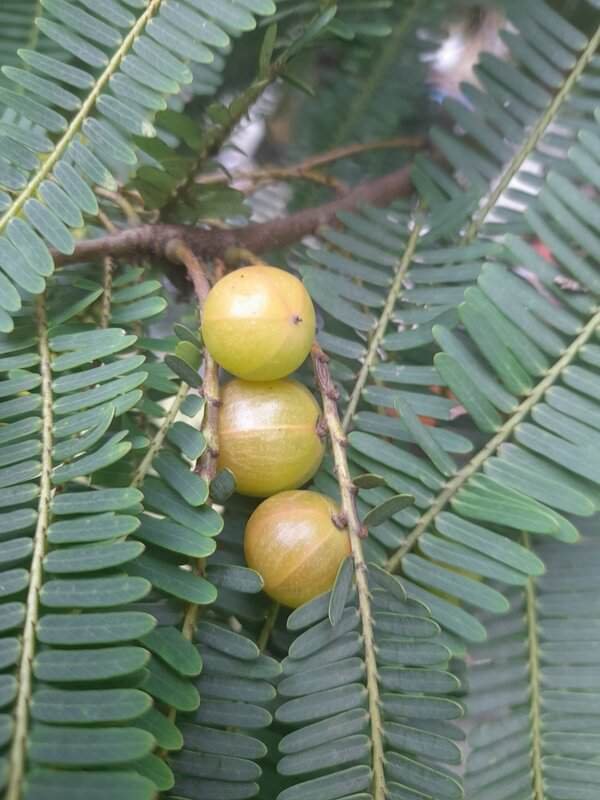
Fruit native to Southeast Asia, growing in long cascading strands. The skin is velvety and salmon-colored; the pulp is translucent, sweet-sour, and refreshing.
Benefits
Contains Vitamin C and fiber. The bark is traditionally used in lotions for eye health and skin conditions.
History and Origins
Rambai is native to the Malay Peninsula, Sumatra, and Borneo. It is a popular village fruit in Southeast Asia but little known internationally. It thrives in riverbanks and shady forests.
Fun Facts
Rambai fruits hang in beautiful long clusters directly from the branches. The skin is velvety to the touch. It is often fermented to make a local wine or preserved with sugar.
What are the varieties of Rambai?
Varieties are distinguished by sweetness level (sweet vs. sour) and skin color (yellow to brownish).
Nutritional Values per 100g of Rambai
| Calories | 67 kcal |
|---|---|
| Carbohydrates | 16.5 g |
| Protein | 0.8 g |
| Fat | 0.2 g |
| Fiber | 2.1 g |
| Vitamin C | 15 mg |
Harvest Months
Harvest months listed here correspond to the Southern Hemisphere.
Medical Disclaimer: The health benefits of this fruit are provided for educational purposes only and do not substitute for professional medical diagnosis or advice. Read more about our sources.