Bromeliaceae
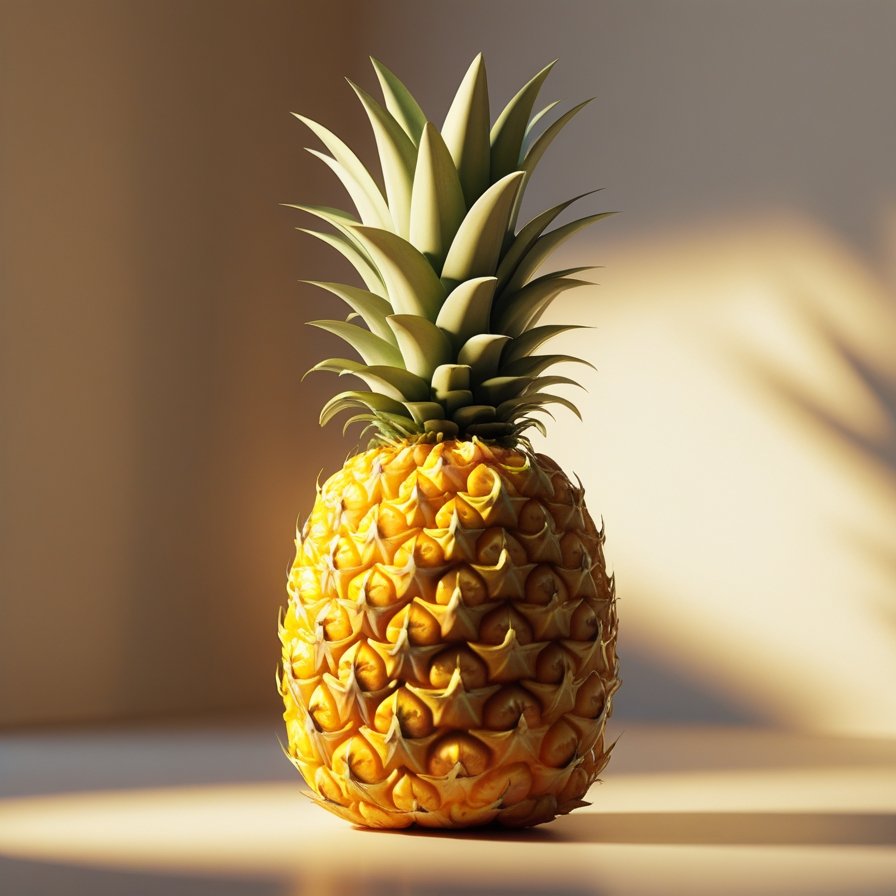
The Bromeliaceae family, commonly known as bromeliads, brings together plants with leaves arranged in rosettes and often showy flowers. This botanical family is best known for the pineapple, the most commercially important fruit in the group, but it also includes hundreds of ornamental species popular in gardening and decoration.
Overview
Bromeliaceae is a group of monocotyledonous plants that can grow on the ground or as epiphytes, meaning they live on trees, rocks, or other support structures. Many bromeliads form a central “tank” or cup made of overlapping leaves, which collects rainwater and humidity and helps the plant survive in tropical and dry environments.
On Frutopedia, this family is important because it combines ornamental beauty with a few edible fruits, especially the pineapple. The mix of visual appeal and practical use makes Bromeliaceae a distinctive family for both botanists and casual plant lovers.
Botanical features
Plants in the Bromeliaceae family usually have simple, strap‑like leaves arranged in a tight rosette, often with spiny edges or a scaly, waxy surface that helps retain water and light. The stem may be short and hidden between the leaves or more elongated in some species.
Flowers grow on long, upright spikes or branched inflorescences, often protected by colorful bracts. The fruits can be fleshy berries, like the pineapple, or dry capsules in other subgroups, depending on the type of bromeliad.
Origin and distribution
Bromeliaceae species originate mainly in tropical and subtropical regions of the Americas, with great diversity in South America, the Caribbean, and Mexico. Some live in rainforests, others on rocky slopes or in drier habitats, thanks to their ability to capture and store water efficiently.
Over time, many bromeliads have become popular ornamental plants in gardens and homes worldwide, while pineapple cultivation has spread to dozens of tropical countries. The family thus appears both in natural ecosystems and in urban and suburban landscapes.
Representative fruits
The most famous fruit from Bromeliaceae is the **pineapple** (*Ananas comosus*), a juicy, sweet‑tart fruit widely used fresh, in juices, desserts, and processed products. Some other bromeliad species also produce small, fleshy fruits, but they are less common in commercial trade.
The full list of fruits from this family on Frutopedia appears in the bottom section of the page, where each fruit is shown in a card with a direct link to its own details.
Interesting facts
One interesting trait of many bromeliads is that the central “tank” between the leaves can hold small pools of water, creating microhabitats for insects, tiny frogs, and even mosquito larvae. This shows how these plants can support miniature ecosystems within larger forests.
Another notable fact is that, although the pineapple is the main edible fruit in the family, the majority of known Bromeliaceae species are valued only for their leaves and flowers, which remain popular in ornamental horticulture around the world.
Frequently asked questions
1. What is the Bromeliaceae family?
It is a botanical family of plants, often called bromeliads, characterized by rosette‑shaped leaves and including the pineapple and many ornamental species.
2. Does pineapple belong to this family?
Yes, the pineapple is the best‑known edible fruit within the Bromeliaceae family.
3. Are all bromeliads edible?
No. Most are grown for their appearance, and only a few species produce fruits commonly eaten by people.
4. Can bromeliads grow without soil?
Yes. Many bromeliads are epiphytic and live on tree branches, trunks, or rocks, getting water and nutrients from the air and rain rather than from soil.