Apocynaceae
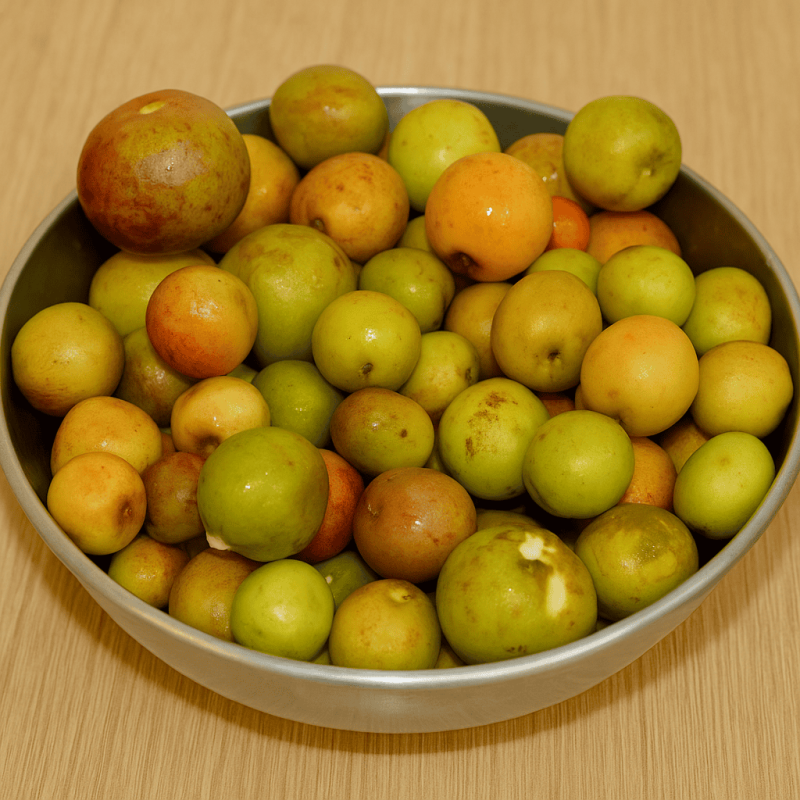
The Apocynaceae family includes a wide range of plants, from trees and shrubs to lianas and some succulent species. These plants are well known for decorative flowers, medicinal uses, and in a few cases, edible fruits. On Frutopedia, this botanical family is relevant because it combines visual appeal, chemical interest, and some fruit‑producing members.
Overview
Apocynaceae is a family of flowering plants often recognized by its milky sap or latex that appears when stems or leaves are broken. The group includes species from tropical and subtropical regions, as well as some adapted to drier climates. Many of its members are grown as ornamental garden plants, while others are studied for their chemical compounds.
In simple terms, talking about Apocynaceae means discussing a diverse botanical family in which some plants are grown just for their flowers, others for medicinal reasons, and a few for their fruits. The family is important both for botanists and for people interested in ornamental gardening and plant‑based remedies.
Botanical features
Plants in this family usually have opposite or whorled leaves, without stipules, and often release a milky latex when cut. The flowers can be showy, with funnel‑shaped corollas, and the fruit type varies by species, including berries, drupes, and follicles.
The milky sap is one of the most distinctive traits of Apocynaceae and helps identify the family in the field. In many species, this sap contains strong chemical compounds, which is why some plants in this group are considered toxic if eaten or handled without care.
Origin and distribution
Apocynaceae species are found mainly in tropical and subtropical regions, but several grow in temperate and drier areas too. In Brazil and other parts of South America, the family appears in forests such as the Atlantic Forest and in more arid vegetation, where some species adapt to heat and low rainfall.
Over time, many plants from this family have been moved around for ornamental use, while others are cultivated in small‑scale or traditional agriculture for local consumption or medicinal practices. The wide distribution shows how versatile this botanical family is.
Representative fruits
Among the better‑known fruits from Apocynaceae is the **karanda** (*Carissa* spp.), whose fleshy berries are used in regional foods and preparations. In some regions, other close relatives may also be eaten, though the main use of this family still leans more toward ornamental plants and medicinal research.
The full list of fruits from this family available on Frutopedia appears in the bottom section of the page, where each fruit is shown in a card with a direct link to its own details.
Interesting facts
One interesting feature is that many Apocynaceae plants have milky latex that can be toxic, yet in some species this same substance contains compounds used in traditional medicine or modern research. This dual nature makes the family important both as a caution and as a source of useful chemicals.
Another notable point is that plants such as mandevilla and other ornamental vines from this family are grown worldwide for their attractive flowers, while other species are studied for possible therapeutic uses. This mix of beauty, danger, and utility is what makes Apocynaceae a particularly interesting botanical group.
Frequently asked questions
1. What is the Apocynaceae family?
It is a botanical family of flowering plants known for its milky sap, diverse forms, and a mix of ornamental, medicinal, and some fruit‑producing species.
2. Are there edible fruits in this family?
Yes. Some species, such as karanda, produce edible fruits, although they are more common in regional diets than in global markets.
3. Are plants in this family safe to handle?
Many species have toxic sap, so it is wise to avoid touching the latex and to wash hands if contact occurs. Proper identification is important before using any plant from this family.
4. Is Apocynaceae only ornamental?
No. The family includes ornamental plants, medicinal species, and a few fruit‑producing species, showing its broad range of uses.