Actinidiaceae
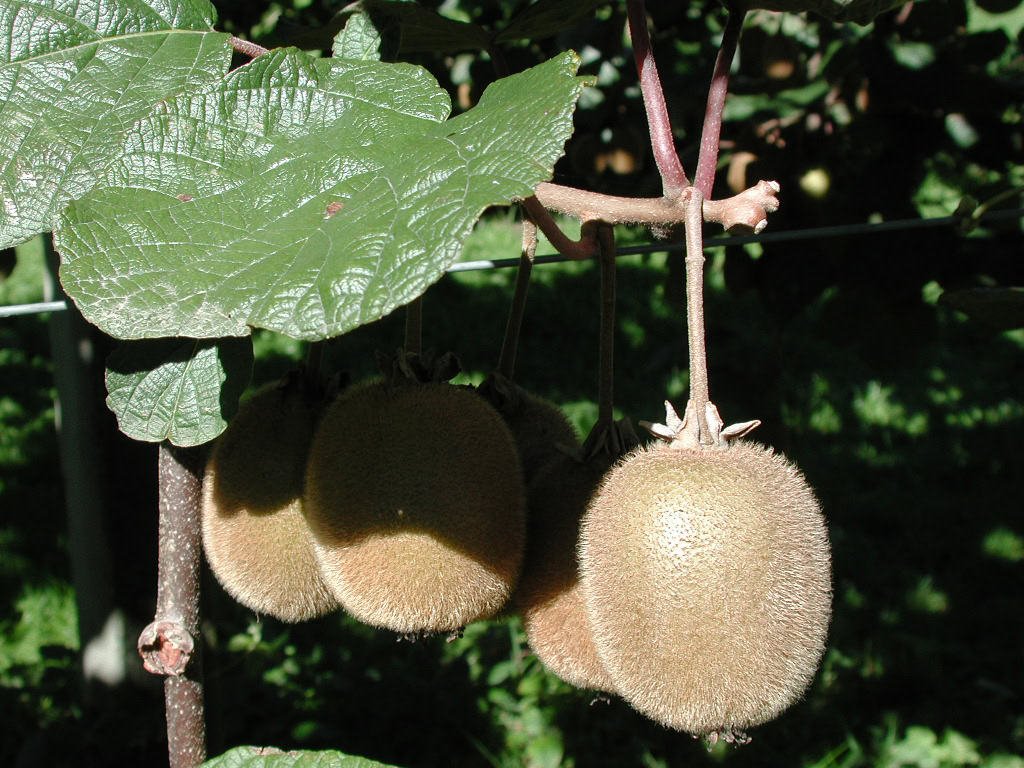
The Actinidiaceae family includes plants known mainly for their edible fruits, most famously the kiwifruit. This botanical family brings together several species of vines and shrubs, some of which are widely cultivated for their tasty, nutritious fruits.
Overview
Actinidiaceae is a family of plants in the order Ericales. It consists mostly of woody climbers and shrubs, many with a vigorous, vine‑like growth pattern. On Frutopedia, this page helps explain in simple terms what defines the Actinidiaceae botanical family and why it matters in both botany and fruit‑growing.
In everyday terms, talking about this family means describing a group of plants that share common traits, from the general shape of their leaves to the way their fruits form. This grouping helps organize knowledge about related fruits and how they are grown and used.
Botanical features
Plants in the Actinidiaceae family often grow as vines or shrubs, with simple, alternately arranged leaves. The flowers are usually small, often grouped in clusters, and not very showy, which is common in many fruit‑producing families.
One of the most notable features is that many species are dioecious, meaning there are separate male and female plants. In other words, to get fruits, you usually need both types, otherwise the plants will not set fruit at all. This influences how growers plan their orchards and choose which plants to plant together.
Origin and distribution
Actinidiaceae species are native mainly to Asia, especially in temperate and subtropical regions. Over time, some of these plants have been introduced to other continents and are now grown in several countries for their fruits.
The kiwifruit, for example, has moved well beyond its original area and is now grown and consumed in many parts of the world. This shows how a botanical family can expand geographically and gain both economic and cultural importance beyond its place of origin.
Representative fruits
The most famous fruit from the Actinidiaceae family is the kiwifruit, usually green but also available in yellow‑fleshed varieties. In addition, other species in the genus *Actinidia* produce similar fruits that are also enjoyed fresh or processed.
The full list of fruits from this family is available in the bottom section of this page, where each fruit appears in a card with a quick link to its own details.
Interesting facts
The kiwifruit stands out for its juicy flesh, mild acidity, and high vitamin C content, which makes it a popular choice for fresh eating, smoothies, juices, and desserts. Because of its flavor and nutritional value, it often appears in diet and health‑focused discussions.
Interestingly, although kiwifruit is widely consumed, many people do not know the name of the botanical family it belongs to. That information tends to be more common in plant taxonomy and educational contexts than in everyday food conversations.
Frequently asked questions
1. What is the Actinidiaceae family?
It is a botanical family of plants that includes mostly climbing and shrubby species, known in particular for their fruits, such as the kiwifruit.
2. Does the kiwifruit really belong to this family?
Yes, the kiwifruit is one of the main representative fruits of the Actinidiaceae family, within the genus *Actinidia*.
3. Are plants in this family easy to grow?
Some species can be grown in suitable climates, but many require correct pairing of male and female plants, along with proper support and pruning, to produce good yields of fruit.
4. Does this family include only kiwifruits?
No, in addition to the kiwifruit, Actinidiaceae includes other species of *Actinidia* with similar but less widely known fruits.